qEEG Brain Map for ADHD: What Brain Wave Patterns Reveal
If you or your child has been diagnosed with ADHD, you've probably wondered what's actually happening inside the brain. A qEEG brain map ADHD assessment gives you a data-driven look at the electrical patterns behind attention difficulties, showing exactly which regions are underperforming and why effort alone often isn't enough. Unlike questionnaires that describe symptoms from the outside, a brain map measures ADHD brain activity directly, so training can target the actual patterns driving the problem rather than just managing the behavior.
What Is a qEEG Brain Map ADHD?
A qEEG, or quantitative electroencephalogram, measures the electrical activity your brain produces every second of the day. Your neurons communicate using tiny electrical signals, and those signals create rhythms we call brainwaves. A qEEG assessment captures those rhythms and compares them to a large database of brain activity from people of the same age.
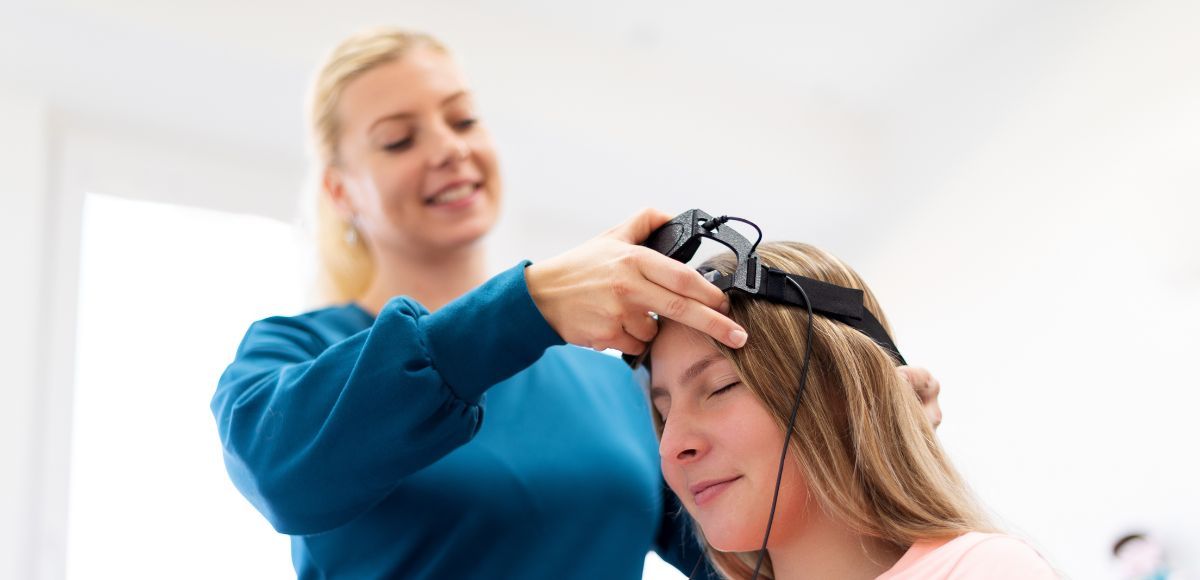
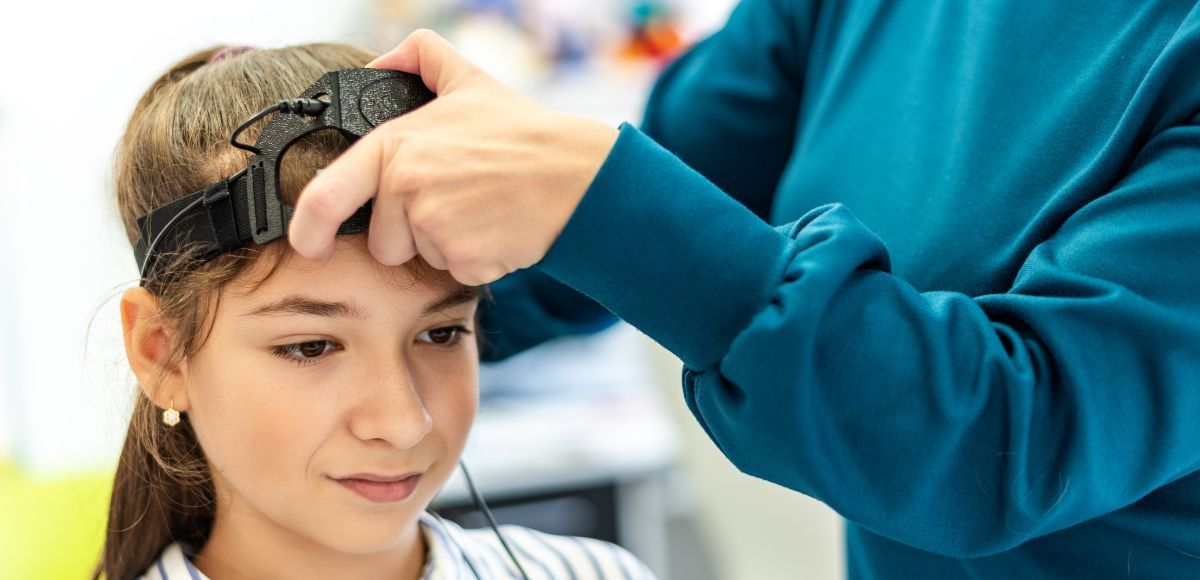
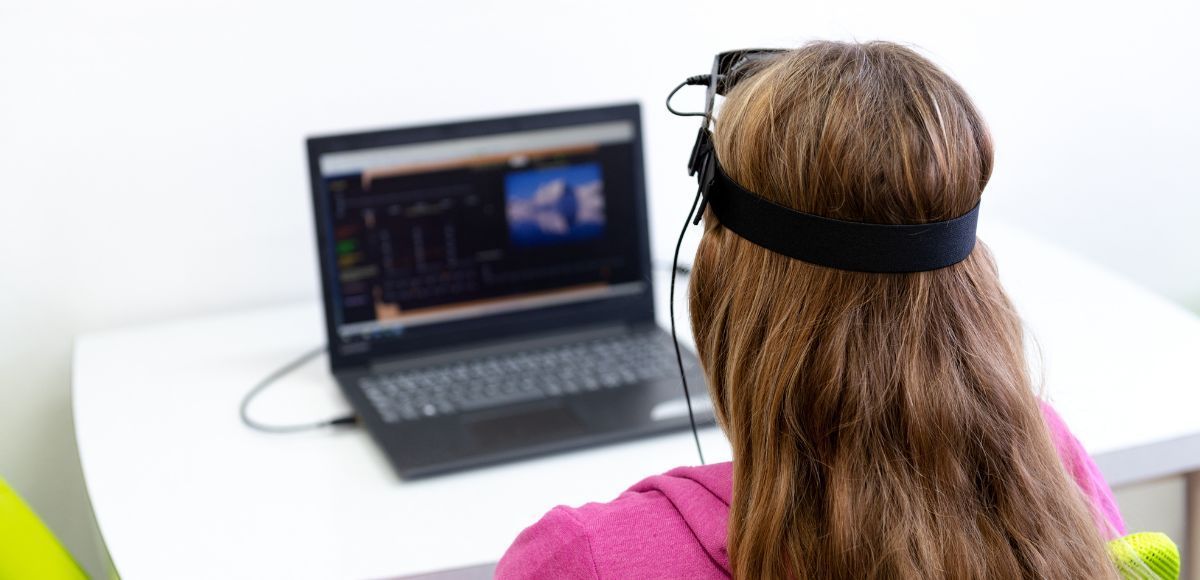
During the session, a technician places a soft sensor cap on your scalp. The sensors read your brainwave activity while you sit quietly, eyes open for part of the session and closed for another. That two-state recording gives a fuller picture of how your brain shifts between resting and alert modes.
The comparison to the database is what makes a qEEG assessment clinically useful. Your provider can see precisely where your activity falls outside the typical range, which regions are overactive, which are underactive, and where communication between areas breaks down. The brain map then becomes a blueprint for care, so training addresses the actual patterns driving your symptoms rather than a general profile.
It’s fully non-invasive. Nothing is injected, no current enters your brain, and most people find the process relaxing.
Which Brainwave Patterns Are Linked to ADHD?
Your brain produces several types of waves, each tied to a different mental state. Delta waves dominate during deep sleep. Theta waves appear when you’re drowsy, daydreaming, or mentally drifting. Beta waves are active when you’re alert, focused, and engaged with a task. Alpha waves bridge the gap, appearing during calm, relaxed wakefulness.
The ADHD brainwave patterns most commonly identified through brain mapping involve too much slow theta activity and too little fast beta activity, particularly in the frontal lobes. These frontal regions handle executive functions like planning, prioritizing, and sustaining attention. When their ADHD brain activity skews toward slow, idle rhythms instead of engaged, alert ones, the downstream effects show up as the symptoms families and specialists recognize: distractibility, impulsivity, difficulty completing tasks.
The Theta Beta Ratio and ADHD
The theta beta ratio ADHD researchers study most is a simple calculation: how much theta is present relative to beta in a given brain region. A high ratio means the brain is spending more time in a slow, unfocused state than in a sharp, engaged one. Research indexed on PubMed has consistently found an elevated theta beta ratio in ADHD presentations across children and adults, particularly over the frontal cortex.
In practical terms, this looks like a brain that wants to stay in idle even when the person is trying hard to concentrate. That's why effort alone often isn't enough. The underlying pattern needs to shift, not just the behavior. This is why a whole-person approach that trains the brain directly tends to produce more lasting change than strategies focused only on managing symptoms from the outside.
It's worth being clear about one important limit. A qEEG assessment provides objective data to support an ADHD evaluation, but it does not replace clinical judgment. The brain map adds a powerful layer of information. It is not a standalone diagnosis.
Not every person with ADHD presents the same way on a map. Some show the classic elevated theta beta ratio. Others show excess high-frequency beta, unusual alpha patterns, or connectivity differences between regions.
That variability is exactly why individualized mapping matters. Two people with the same diagnosis can have very different ADHD brainwave patterns underneath, and those differences should shape their care plan.
How qEEG Guides Neurofeedback Training
A qEEG brain map for ADHD removes the guesswork from the care process. Instead of applying a one-size-fits-all protocol, your specialist can see exactly where dysregulation is occurring and design a neurofeedback plan built around your brain's specific patterns, not a generalized assumption of what ADHD looks like.
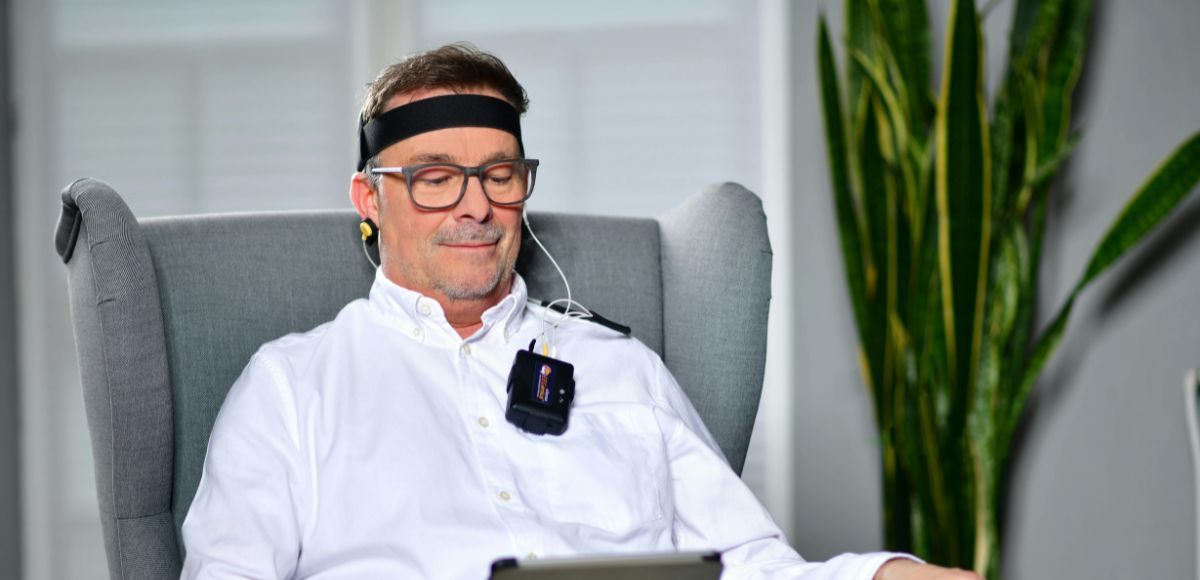
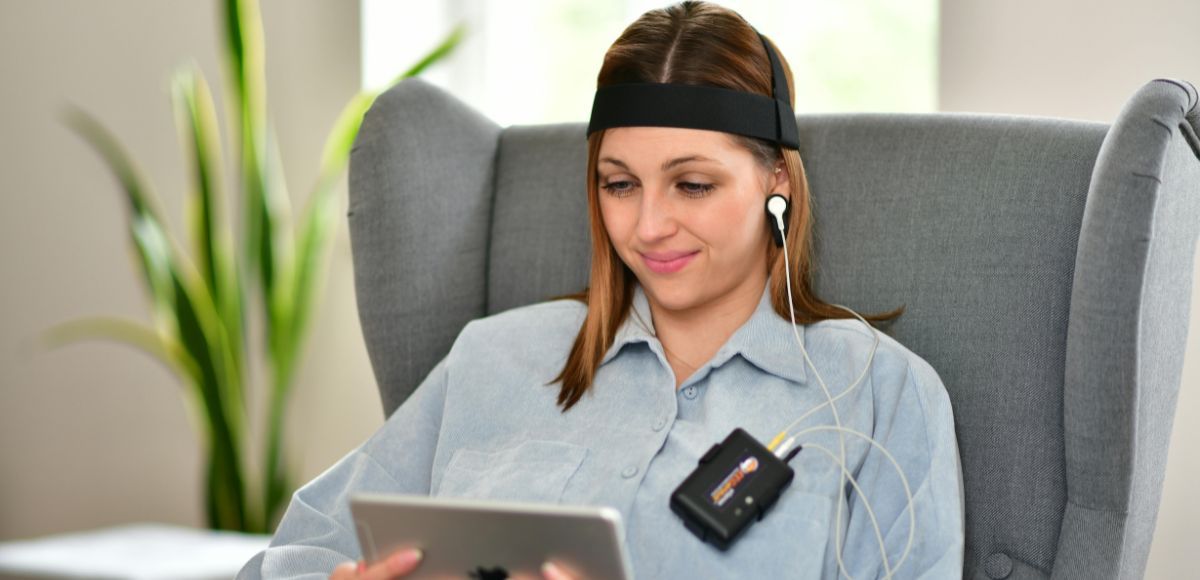
Neurofeedback works by showing the brain its own activity in real time, usually through a game, video, or audio signal. When the brain produces patterns associated with focused attention, it receives positive feedback. When it drifts toward theta-dominant activity, the feedback pauses or changes. Over time and with repetition, the brain learns to regulate itself more effectively.
A systematic review and meta-analysis published in Scientific Reports found additive effects of EEG neurofeedback alongside standard ADHD care.
What separates targeted neurofeedback ADHD training from a generic approach is the qEEG map behind it. If a client's map shows excessive theta in the left frontal region, the neurofeedback protocol is configured specifically for that site and that frequency.
That precision is what makes the assessment step matter so much. You can learn more about how we deliver this on our neurofeedback page.
A few honest expectations are worth setting. Neurofeedback for ADHD is not a quick fix. Progress is gradual and builds session by session. A typical course runs 20 to 40 sessions, and more complex cases, including ADHD with co-occurring challenges, can require up to 60 appointments.
For families navigating ADHD with a child, our child therapy services page walks through how we support younger clients from assessment through care.
What to Expect During a Brain Map Session
The qEEG assessment process is straightforward and comfortable from start to finish. Here’s what a typical session involves.
The technician begins by measuring your head and fitting the sensor cap. A water- or paste-based gel helps the sensors make clean contact with your scalp. There are no needles, no discomfort, and nothing entering your body.
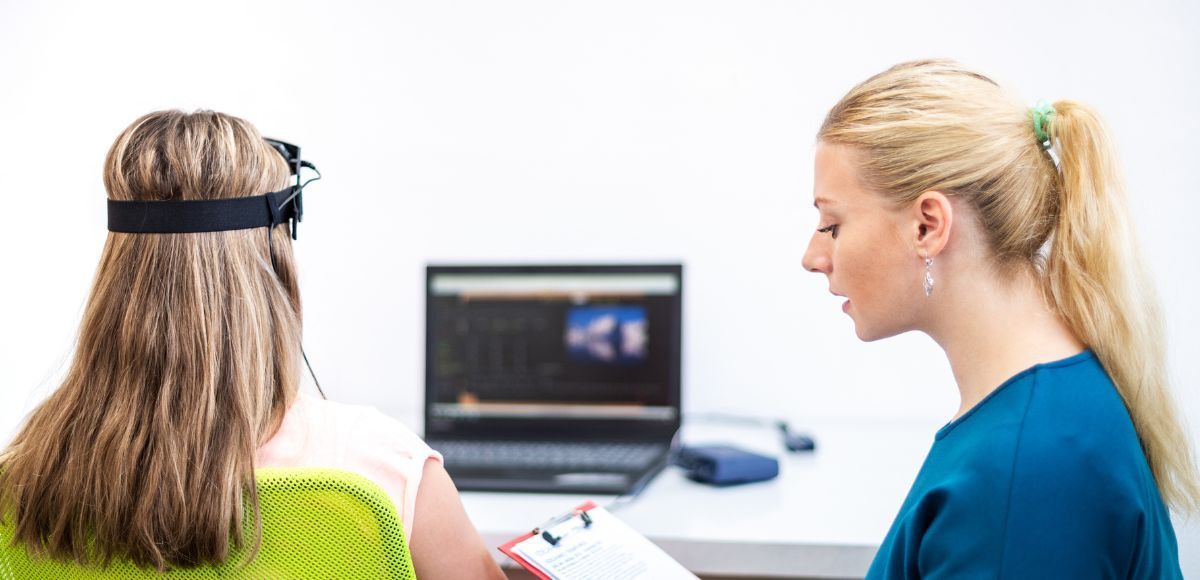
You’ll sit quietly for around 20 to 30 minutes while the recording runs, with eyes open for part of it and eyes closed for another. Both states matter because your brain’s electrical patterns shift between them, and the comparison gives the specialist a richer data set to work from.
After the session, the data is processed and your provider walks you through the results in plain language, not clinical shorthand. This debrief is where brain mapping therapy planning begins in earnest. Your unique ADHD brainwave patterns inform every decision that follows: which frequencies to target, which brain regions to prioritize, and what a realistic timeline looks like.
Is qEEG Brain Mapping Right for You?
A qEEG assessment makes the most sense when you want objective data alongside a clinical evaluation. Rather than relying entirely on symptom checklists, you get a visible picture of ADHD brain activity: which regions are underperforming, which are overactive, and how those patterns connect to the challenges you experience day to day.
It’s a particularly strong fit for people who feel that medication-centered or symptom-focused approaches haven't fully addressed their concerns, for adults who went undiagnosed as children through our adult therapy services, or for families who want to understand what’s driving a child’s behavior before committing to a care path.
Seeing your patterns mapped out is often genuinely reassuring. ADHD stops being an abstract label. It becomes something visible, measurable, and addressable.
Our Round Rock, TX practice serves families throughout the Austin metro who are looking for a data-driven alternative to standard evaluations.
That said, a qEEG is one part of a complete picture. For a comprehensive overview of ADHD from a federal health authority, the National Institute of Mental Health provides research-backed guidance on diagnosis and care approaches.
We combine it with clinical assessment and a full review of your history and goals, which is the foundation of our integrative mental health approach. For a research-backed overview of the brainwave findings behind this work, the National Library of Medicine offers a solid starting point.
Ready to See What Your Brain Map Reveals?
Understanding your unique ADHD brain activity is the first step toward a care plan built around you, not a generic protocol. If you're curious whether a qEEG brain map ADHD assessment and neurofeedback training could support your goals, call us at 512-230-3740 or schedule a personalized consultation to start your journey toward better focus and mental wellness.
Frequently Asked Questions
1. What does a qEEG brain map show for ADHD?
It captures the electrical patterns your brain produces and compares them to a same-age database. For ADHD, the map often reveals the ADHD brainwave patterns most closely tied to attention difficulties: too much slow theta activity and too little fast beta activity in the frontal regions. It shows which areas are over- or underactive so that neurofeedback ADHD training can be targeted precisely.
2. How accurate is qEEG for diagnosing ADHD?
A qEEG assessment is a supportive tool, not a standalone diagnosis. It adds objective data about ADHD brain activity to a clinical evaluation, but a qualified provider still weighs your history, symptoms, and behavior alongside the map. The FDA has cleared theta beta ratio testing to assist an ADHD assessment, not to replace professional clinical judgment.
3. How many neurofeedback sessions does ADHD require?
It depends on the individual and the complexity of their situation. A typical course of neurofeedback for ADHD runs 20 to 40 sessions. More complex cases, including ADHD with co-occurring challenges, can require up to 60 appointments. Your provider will recommend a realistic plan based on your specific qEEG findings and goals.
4. Can a brain map detect ADHD in adults?
Yes. Adults show measurable ADHD brain activity patterns just as children do, and a qEEG assessment can identify the theta and beta imbalances associated with attention difficulties at any age. It’s often especially useful for adults who were never evaluated as children and want clearer answers.
5. Is the qEEG procedure painful or invasive?
No. The sensors only read your brain’s natural electrical activity. Nothing is injected, no current enters your brain, and the cap is simply worn on your head. Most people find the session comfortable and relaxing.
Key Takeaways
- A qEEG assessment maps your unique ADHD brain activity before training begins, so neurofeedback targets the exact patterns driving your symptoms rather than a generic profile.
- The theta beta ratio ADHD research focuses on is one of the most consistent markers in the field. An elevated ratio means the brain is spending too much time in a slow, idle state when it should be alert and focused.
- ADHD brainwave patterns vary between individuals. Two people with the same diagnosis can have very different maps, which is why personalized brain mapping therapy produces better results than standardized protocols.
- Neurofeedback for ADHD takes consistent effort over time. Expect a structured course of sessions and plan for a longer commitment if your situation is complex.
- Treat the qEEG as one part of a full evaluation. It adds objective data, but it works best alongside clinical assessment and a personalized care plan.