Chronic anxiety and stress can chip away at your sleep, focus, and day-to-day life. When talk therapy or medication only help so much, you're left wondering what else might actually work. This guide walks through how neurofeedback for anxiety works, what sessions feel like, and whether it could be the right fit for you or your child.
Living With Chronic Stress and Why It's So Hard to Shake
If you've been dealing with constant worry or ongoing stress, you already know how it creeps into everything. Sleep gets lighter. Focus slips. Small things start to feel bigger than they should.
Traditional approaches like medication or talk therapy can help, but they don't always reach the root of what's happening in the brain.
That's where neurofeedback for anxiety comes in. It's a science-backed, drug-free option that works directly with your brain's natural rhythms to help you feel steadier, calmer, and more in control.
What Is Neurofeedback Therapy?
Neurofeedback Therapy is a type of brain training that uses real-time feedback to help your brain work more efficiently.
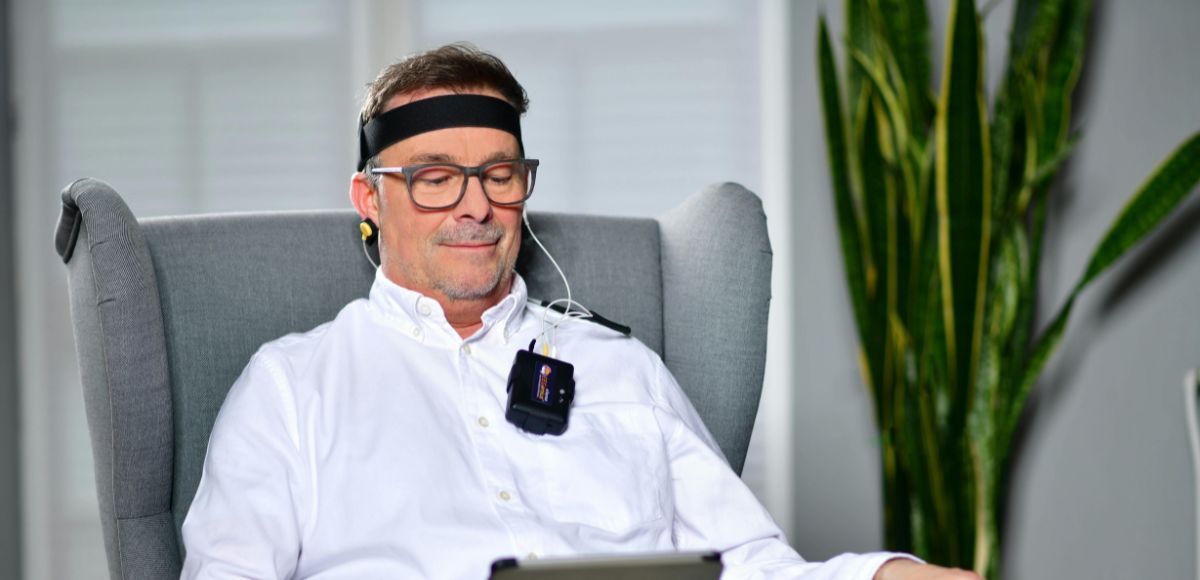
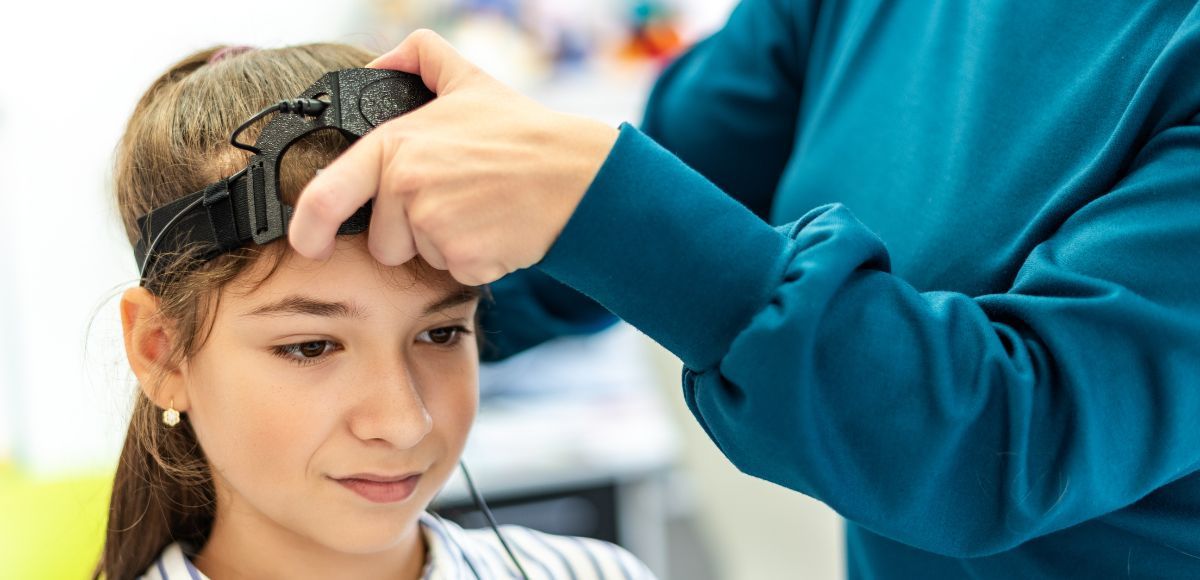
It's often called EEG biofeedback therapy because it reads your brain's electrical activity through small sensors placed on your scalp. Nothing is sent into your brain. The sensors simply listen.
Your brain produces different waves depending on what you're doing. Fast waves tend to show up when you're alert or stressed. Slower waves appear when you're calm or focused.
In people dealing with chronic anxiety, these patterns often get stuck in a stress mode, even when nothing real is threatening at the moment.
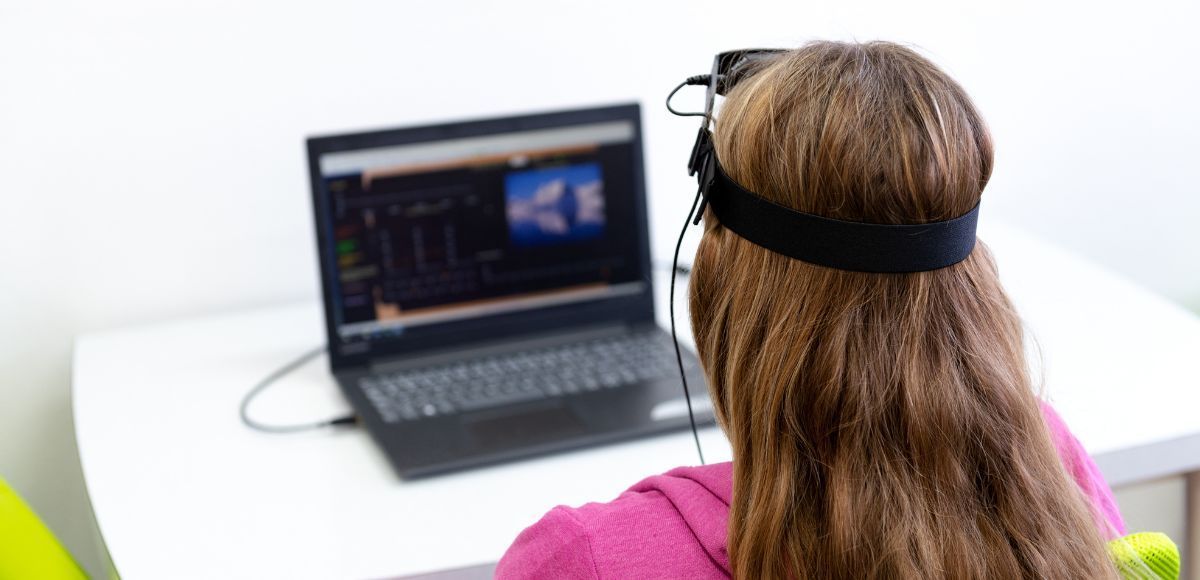
During a session, a computer shows your brainwave activity on a screen. When your brain shifts toward a more balanced state, you get positive feedback through sound, visuals, or a video that plays smoothly.
Over time, your brain learns to hold that calmer state on its own.
How Does Neurofeedback Reduce Anxiety?
Chronic anxiety is often tied to overactive brainwave patterns in specific regions of the brain. When those patterns stay in overdrive, your body stays on alert even during calm moments.
Neurofeedback for anxiety helps break that loop in two main stages.
Mapping Your Unique Brain Patterns
Every course of care starts with a clear picture of how your brain is working right now. Many providers use a qEEG, or quantitative electroencephalogram, to map out where your brainwaves are running too fast, too slow, or out of sync.
This gives your practitioner a personalized roadmap before any training begins. Research has shown that
qEEG-guided neurofeedback for anxiety protocols can produce measurable improvements in anxiety symptoms over a full treatment course.
Training the Brain to Self-Regulate
Once the map is clear, the training begins. You'll sit comfortably while sensors track your brain activity. As your brain moves toward healthier patterns, the visuals on screen become clearer, the sounds stay smooth, or a video plays without interruption.
Your brain picks up on this quickly and starts making those healthy shifts more often. It's a bit like physical therapy, except for your mind.
With enough sessions, those changes tend to stick. You're not relying on medication at the moment or a technique you have to remember in a stressful situation. Your brain has actually learned to regulate itself better.
Neurofeedback vs. Traditional Anxiety Treatments
Medications and talk therapy are valuable tools, and for many people, they're the right starting point. But each one has its limits. Medication can manage symptoms without addressing why the brain gets stuck in stress mode.
Traditional talk therapy, like
CBT for anxiety, gives you mental tools to reframe thoughts but doesn't directly change the brain's physical patterns.
Neurofeedback for anxiety sits in a different lane. It's non-invasive, drug-free, and doesn't require you to talk through past experiences every session. Some clients use it alongside their current treatment. Others turn to it after years of mixed results elsewhere.
A lot of people find that pairing neurofeedback with
adult therapy gives them the best of both worlds: tools for daily life and real physical changes in how their brains respond to stress.
What to Expect During a Neurofeedback for Anxiety Session
First-time clients are usually surprised by how relaxing the sessions feel. There's no discomfort and no recovery time. The sensors only read what your brain is already doing, nothing more.
Here's a quick look at what a typical session involves:
- You settle into a comfortable chair in a quiet room
- Small sensors are placed on your scalp with a conductive gel
- You watch a screen, listen to audio, or play a simple game that responds to your brainwaves
- The session runs about 30 to 45 minutes from start to finish
Most people start noticing changes after 10 to 20 sessions, though the full protocol can take longer depending on your goals. Some report better sleep, quieter mental chatter, or feeling less reactive in stressful situations.
Who Can Benefit From Brain Training Therapy?
Brain training therapy works for a wide range of people dealing with stress, anxiety, and related challenges. It's been studied and used for:
- Generalized anxiety and chronic stress
- Panic attacks and social anxiety
- Insomnia and sleep issues (neurofeedback for sleep has shown promising results)
- ADHD and focus problems
- PTSD and trauma-related stress
- Migraines and tension headaches
If you've tried other approaches and still feel stuck, or if you'd rather avoid medication, this could be a good fit.
Many clients find that having a neurofeedback center near them in Round Rock makes it easier to stay consistent with sessions, which matters more than speed when it comes to seeing lasting change.
Finding Real, Lasting Calm
Chronic stress and anxiety don't have to be something you manage forever. When your brain gets the right kind of training, it can settle into healthier patterns and hold them. At Infinite Potential, our team works with clients across Texas who are ready for a different path.
If you're curious whether neurofeedback for anxiety could help,
reach out for a consultation, and we'll walk you through what a plan might look like for where you are right now.
Frequently Asked Questions
1. How often should I schedule neurofeedback for anxiety sessions?
Most people start with two sessions per week to build momentum early on. After the first few weeks, sessions are often spaced out to once a week as progress settles in. Your provider will adjust the pace based on how your brain responds and what you're working toward.
2. Is neurofeedback a good fit for everyone?
It works well for most people, but it's not always the first choice for those with active seizure disorders, serious brain injuries, or certain neurological conditions without medical guidance. A thorough intake assessment helps determine whether neurofeedback is the right path or whether another type of care should come first.
3. Can kids and teens also benefit from neurofeedback for anxiety?
Yes. Children and teens often respond well to brain-based training because their brains are still developing and adapting. Families frequently combine neurofeedback with child or teen therapy to support focus, mood, and anxiety symptoms as part of a broader care plan.
4. Can neurofeedback help with sleep problems tied to anxiety?
Many people find that sleep issues ease up over time, especially when anxiety is a driving factor. By helping your brain settle out of a constant stress pattern, your body often finds it easier to fall asleep and stay asleep through the night.
5. Do I still need therapy if I try neurofeedback for anxiety?
It depends on your needs. Some people do well with neurofeedback on its own, while others get the most benefit by combining it with talk therapy or integrative care. A good provider can help you decide what makes sense for your situation after an initial assessment.
Key Takeaways
- Neurofeedback for anxiety is a non-invasive, drug-free therapy that helps retrain your brain's response to stress and anxiety
- It works by showing your brainwave activity in real time and rewarding healthier patterns through sound or visuals
- Most people notice changes after 10 to 20 sessions, with effects that tend to build and last over time
- It's a solid option alongside or after traditional treatments like talk therapy, CBT, or medication
- Sessions are comfortable and typically last 30 to 45 minutes in a quiet, relaxed setting