Starting something new for your mental health can feel uncertain, especially when you're not sure what to expect. Not knowing what happens during a neurofeedback session can make the whole idea feel clinical or intimidating. This guide walks you through each step so you can arrive relaxed, informed, and ready.
What Is Neurofeedback and Why Does It Work?
Neurofeedback is a form of brain training session explained through real-time readings of your brain activity to help you learn how to regulate it. Think of it like physical therapy, but for your brainwaves. Sensors pick up electrical patterns through your scalp, and the software turns that data into sounds or visuals that let your brain see itself at work, a brain training explained. Over time, your brain learns to produce healthier patterns on its own.
Research shows that brain-based approaches like
neurofeedback continue to gain attention as part of
integrative care for anxiety, ADHD, and sleep concerns. The goal is not to push your brain. It's to guide it toward balance.
Before Your Neurofeedback Therapy Process Begins
Most people show up a little curious and a little nervous, and that's normal.
Before your first appointment, it helps to:
- Get a solid night of sleep
- Avoid caffeine for a few hours beforehand
- Wear comfortable clothing
- Come with clean, dry hair (no heavy products or oils)
You won't need to prepare anything beyond that. Our team at Infinite Potential walks you through paperwork, goals, and any questions before we begin.
Step 1: Your Initial Brain Map Assessment
Your first visit usually starts with a qEEG brain map, a painless scan that measures your brainwave activity across different regions. You'll wear a cap fitted with small sensors, sit quietly for about 20 to 30 minutes, and the system records how your brain is functioning in real time.
This step helps us understand what's happening under the surface. Sleep struggles, racing thoughts, difficulty focusing, and emotional regulation issues all leave patterns in brainwave data. The brain map turns those patterns into a visual report that guides your entire treatment plan.
Step 2: Sensor Placement and Setup
Once your assessment is reviewed, your neurofeedback session starts with sensor placement. A trained technician cleans the targeted areas of your scalp, applies a small amount of conductive paste, and attaches 2 to 5 sensors, depending on your protocol.
These sensors only read activity. Nothing is sent into your brain, and nothing is forced. Our team at Infinite Potential's neurofeedback practice in Round Rock uses this time to check signal quality and make sure you're comfortable before training begins.
Step 3: The Training Begins
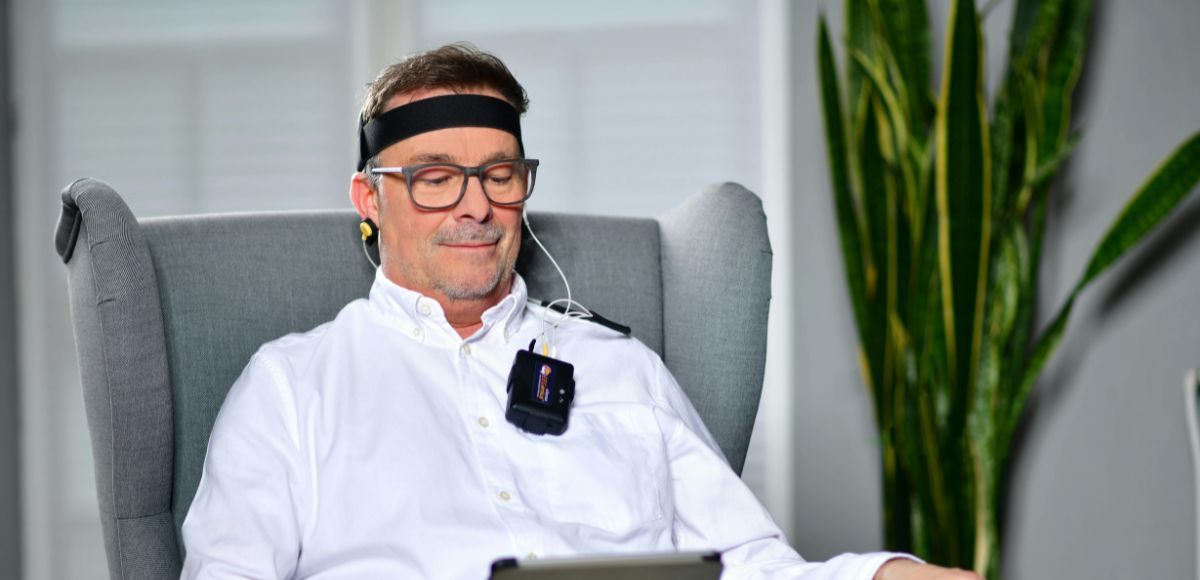
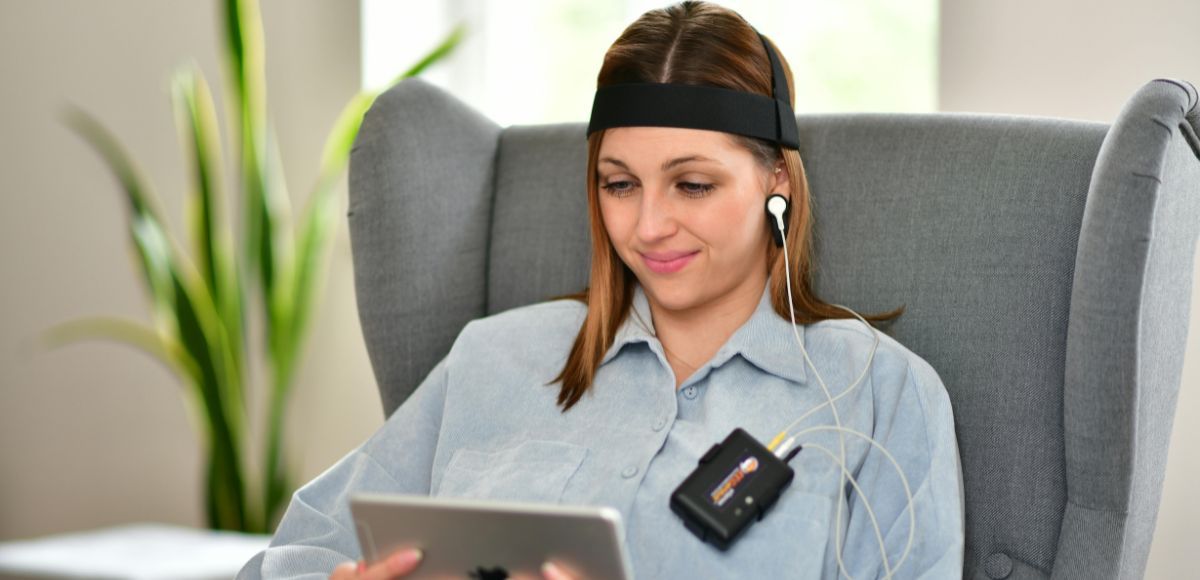
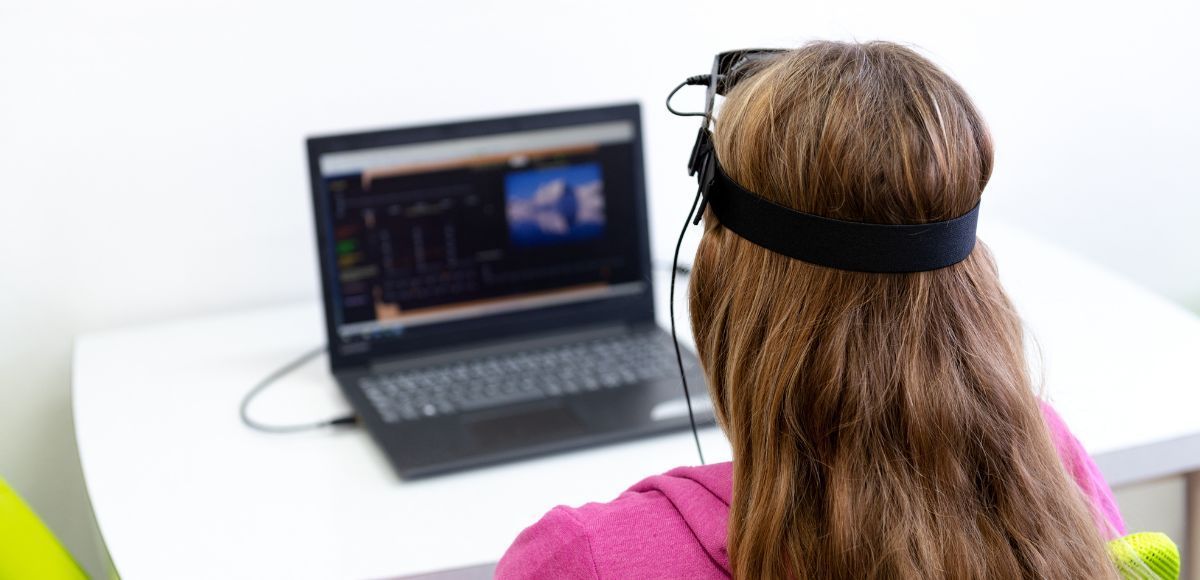
Once you're set up, you'll sit in a relaxed chair and watch a movie, listen to music, or play a visual game on a screen. This is where the training happens, though it doesn't feel like work.
The software is tracking your brainwaves in real time. When your brain produces the patterns we're targeting, the video plays clearly, or the game rewards you. When your brain drifts off track, the audio dips or the screen dims. Your brain notices this feedback, even if your conscious mind doesn't, and starts to adjust. Sessions typically run 30 to 45 minutes.
Step 4: Real-Time Feedback and Brain Regulation
This is the part that surprises most first-time clients. You aren't actively doing anything. You're simply paying attention to the screen while your brain quietly teaches itself to hold steadier patterns.
The National Library of Medicine has explored how this kind of
EEG biofeedback helps the brain reinforce healthier activity over time. For people dealing with anxiety or ADHD, that gentle, repeated practice is what makes change stick.
Step 5: Session Wrap-Up and Next Steps
After training, the technician removes the sensors and wipes the paste off your scalp. Most clients feel calm, clear-headed, or a little tired, similar to how you might feel after a good workout. There's no downtime and no side effects to plan around.
Before you leave, we'll talk through anything you noticed, update your progress notes, and schedule your next visit. Many people find it helpful to keep a brief journal of sleep quality, mood, and focus between sessions to track shifts over time.
How Many Sessions Will You Need?
This varies by person and goal. Brain training is cumulative, meaning your brain gets better at retaining its new patterns the more you practice. Most protocols run two sessions per week over several weeks.
According to resources from Harvard Health Publishing, techniques that train the nervous system through feedback tend to work best with consistent, structured repetition. Short-term concerns can be resolved in 15 to 20 sessions. More complex patterns, like long-standing anxiety, trauma, or attention challenges, might take 30 to 60 sessions, depending on the depth of the issue and how consistently your brain responds to training. Your brain map and your clinician will shape the timeline around what you're working on.
Is Neurofeedback Right for You or Your Child?
Neurofeedback is considered safe for adults, teens, and children as young as school age. It's a good fit if you've tried traditional approaches without achieving full relief, or if you're looking for a medication-free option to manage focus, stress, sleep, or emotional regulation.
It's not a replacement for therapy in every case, but it pairs well with it. Many clients at Infinite Potential combine neurofeedback with counseling, integrative care, or both.
Ready to Get Started?
If you've been curious about what a neurofeedback session looks like in practice or whether it aligns with your goals, reach out to the team at Infinite Potential in Round Rock, TX, to discuss a personalized plan.
Schedule an Appointment
Frequently Asked Questions
1. How long does a neurofeedback session take?
A standard session runs about 30 to 45 minutes. Your first visit is usually longer because it includes the qEEG brain map and an intake conversation.
2. Is neurofeedback safe?
Yes. The sensors only read brain activity. They don't send any signal into the brain, and there are no known long-term side effects. Some people feel tired or mentally quiet after a session, which usually passes within a few hours.
3. What should I expect at my first neurofeedback appointment?
Expect paperwork, a conversation about your goals, a qEEG brain map, and a walkthrough of your personalized protocol. You'll leave with a clear sense of your baseline and the next steps for your neurofeedback session.
4. How many neurofeedback sessions do I need?
Most clients complete 15 to 60 sessions, depending on their goals. Short-term concerns often resolve more quickly, while longer-standing or more complex patterns, such as chronic anxiety, trauma, or attention difficulties, may require extended training time to produce lasting results.
5. Will neurofeedback work for my child?
It often does. Neurofeedback is a common option for kids managing ADHD, anxiety, or sleep challenges. Sessions are designed to feel engaging and low-pressure, with age-appropriate games or videos.
Key Takeaways
- A neurofeedback session usually lasts 30 to 45 minutes and involves no needles, medication, or discomfort.
- Your first visit includes a qEEG brain map that shapes your entire treatment plan.
- Sessions feel more like watching a movie than doing a medical procedure.
- Results are gradual and cumulative, with most protocols spanning 15 to 60 visits, depending on the complexity of the concern being addressed.
- Neurofeedback can be used on its own or alongside therapy and integrative care.