Anxiety shows up in adult life in ways that often feel unavoidable. At first, the stress feels manageable. Then it lingers. Slowly, it chips away at focus, sleep, and your ability to feel at ease during the day.
It’s no surprise that many adults look for instant anxiety relief medication or quick fixes. Building resilience through habits, coping skills, and guidance empowers you to manage anxiety in the long term, fostering hope and confidence.
When those pieces start working together, something shifts. Anxiety feels less reactive. This guide breaks down seven proven anxiety-relief strategies to help you reduce stress, think more clearly, and regain control of your mental well-being, inspiring hope and confidence without relying on guesswork.
Understanding Anxiety and Stress in Adults
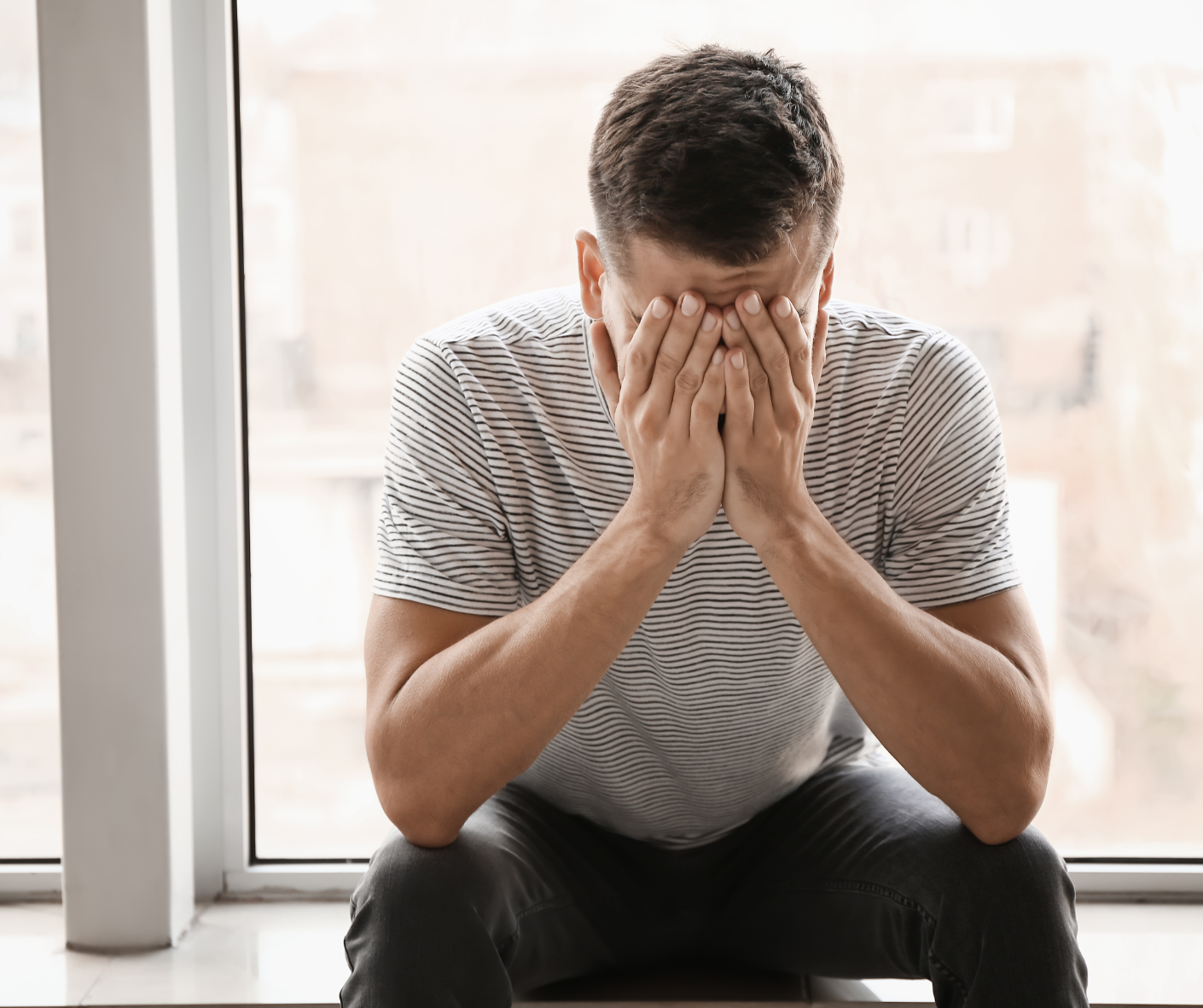
Anxiety is the body’s built-in response to pressure, uncertainty, or perceived threats.
In short bursts, it can sharpen focus and help people respond to challenges. But when anxiety and stress linger or worsen despite self-help efforts, they may interfere with daily life, disrupting work performance, relationships, sleep, and overall health. If symptoms persist or intensify, seeking professional support can provide additional relief and tailored treatment options.
The
Centers for Disease Control and Prevention reported that long-term stress affects mood and increases the risk of headaches, digestive issues, sleep problems, heart disease, weakened immune function, and unhealthy coping behaviors such as substance use.
At the same time, the
American Psychological Association reports that chronic stress levels among adults continue to rise in the U.S., primarily driven by work demands, financial pressure, and ongoing global uncertainty.
Anxiety doesn’t look the same for everyone. Some adults experience racing thoughts, worry, and restlessness. Others notice physical symptoms such as muscle tension, fatigue, stomach discomfort, or difficulty concentrating. Because
stress and anxiety affect both the mind and body, and show up differently from person to person, effective anxiety relief strategies must remain flexible, practical, and tailored to individual needs.
7 Proven Anxiety Relief Strategies
1. Deep Breathing and Mindfulness Practices
Breathing offers a quick, reliable way for you to regain control when anxiety spikes, especially if you experience racing thoughts or physical tension. Slow, intentional breathing reassures your nervous system that you’re safe, helping you feel more grounded and in control. Mindfulness builds on this effect by training your attention, which can be particularly helpful for managing persistent worry or physical symptoms.
Here’s a breakdown of helpful practices:
- Box breathing
- Inhale for 4 seconds, hold for 4, exhale for 4, hold for 4 to quickly calm racing thoughts.
- Mindfulness meditation
- Focuses on your breath, body sensations, or sounds to anchor your awareness
- Grounding exercises
- Ex: naming five things you see or feeling your feet on the floor, to reconnect with the present moment
You don’t need long sessions to see results. Practicing deep breathing or mindfulness for just a few minutes every day can immediately lower stress hormones, slow your heart rate, and reduce anxious thought patterns. Over time, these practices strengthen emotional regulation, making it easier to respond calmly, even in high-stress situations.
2. Regular Physical Activity
Movement can significantly reduce anxiety because it directly changes your mood and resilience. Regular physical activity releases mood-enhancing endorphins, helping you feel better able to handle stress and anxiety.
Exercise doesn’t need to feel intense or overwhelming to be effective. In fact, gentle and consistent movement often works better for managing anxiety than high-pressure workouts that add more stress.
Here are a few examples you can practice:
- Walking outdoors, which combines physical movement with calming exposure to natural light
- Yoga or stretching, which releases muscle tension and improves mind–body awareness
- Swimming or cycling, offering rhythmic motion that soothes anxious energy
- Light strength training, which builds confidence and improves physical resilience
When you move regularly, you sleep more deeply, think more clearly, and feel less physically tense.
3. Limiting Caffeine and Alcohol
Caffeine directly stimulates the nervous system, which can trigger symptoms like a racing heart, jitteriness, and restlessness.
If you already feel on edge, that extra stimulation can push your stress response into overdrive. Alcohol often creates a false sense of calm at first, but it disrupts sleep cycles and increases anxiety once its effects wear off, usually the next morning.
By reducing or moderating caffeine and alcohol intake, many adults notice meaningful improvements in how their body handles stress.
Here are some benefits you can expect:
- More stable energy levels without sudden crashes
- Improved sleep quality, which strengthens emotional regulation
- Fewer anxiety spikes throughout the day
For some people, this single adjustment delivers noticeable anxiety relief within days.
4. Establishing Healthy Sleep Routines
Sleep and anxiety fuel each other. For instance, when sleep suffers, emotional control weakens. Minor stressors feel bigger, patience runs thinner, and anxious thoughts gain momentum far more easily.
Improving sleep doesn’t require perfection, but consistency matters. A few intentional changes can calm the nervous system and make rest more restorative.
To support better sleep:
- Go to bed and wake up at the same time each day, even on weekends
- Step away from screens at least one hour before bed to protect natural melatonin release.
- Create a calm sleep environment by keeping the room dark, quiet, and relaxed.
- Limit caffeine after midday, especially if you’re sensitive to stimulation
As sleep becomes deeper and more consistent, emotional regulation naturally improves. You respond to stress rather than react to it.
5. Cognitive Behavioral Techniques
Anxiety often starts in the mind before it shows up in the body.
Cognitive Behavioral Therapy (CBT) techniques target that starting point by helping you recognize thought patterns that quietly fuel
anxiety disorders. Instead of accepting every anxious thought as fact, CBT teaches you how to question it and respond more intentionally.
Common techniques include:
- Reframing catastrophic thinking by replacing worst-case assumptions with more balanced perspectives
- Identifying triggers and responses to understand what sets anxiety in motion and how you react
- Practicing realistic self-talk that reduces self-criticism and emotional overload
These skills don’t eliminate stress, but they change how you relate to it. Over time, anxious thoughts lose their intensity and influence. While therapists often teach CBT techniques in structured sessions, many adults continue practicing them independently using credible tools, worksheets, and guided resources. With repetition, these strategies strengthen mental flexibility and make anxiety more straightforward to manage in everyday situations.
6. Social Support and Connection
Anxiety thrives in isolation.
When stress stays bottled up, anxious thoughts grow louder and more complex to manage. Human connection works in the opposite direction. Feeling supported, understood, and seen can calm the nervous system and ease emotional pressure almost immediately.
Supportive habits include:
- Talking openly with trusted friends or family members instead of carrying stress alone
- Joining support groups or community activities that create a sense of belonging
- Setting boundaries around overwhelming obligations to protect your time and energy
You don’t need constant reassurance or long conversations to feel connected and helped. Even small moments of honest interaction can reduce emotional load and shift perspective. When people feel heard and supported, stress becomes easier to process, and anxiety loses much of its intensity.
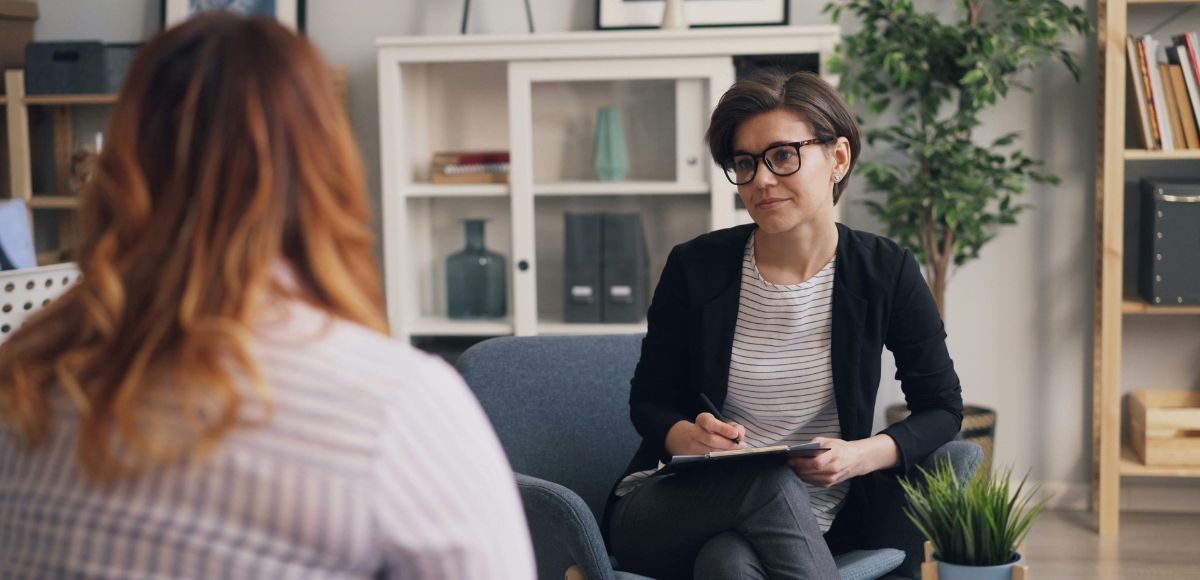
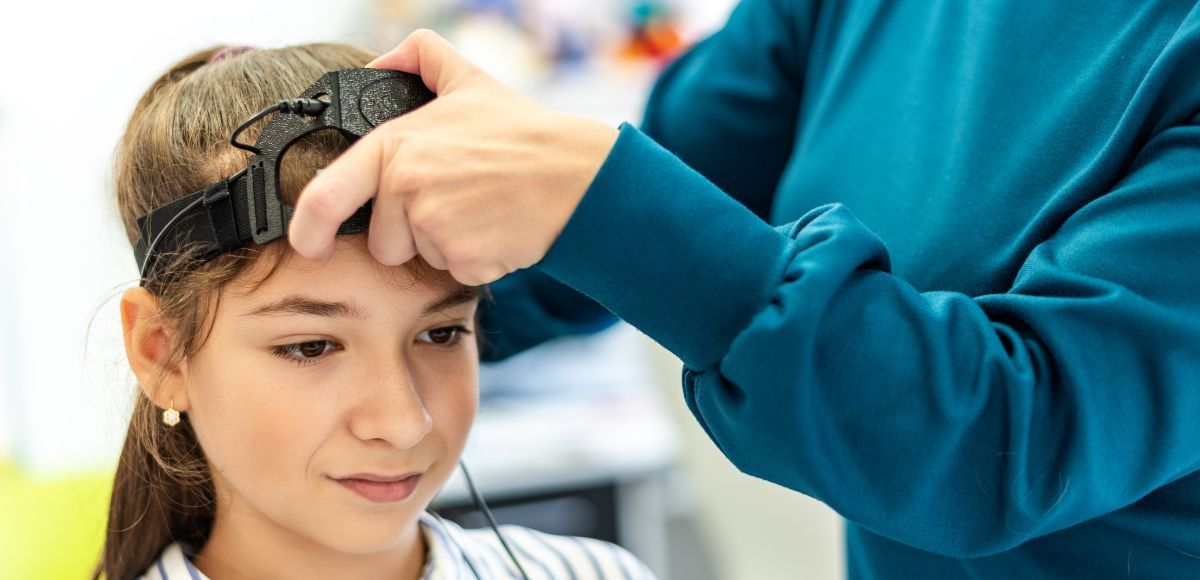
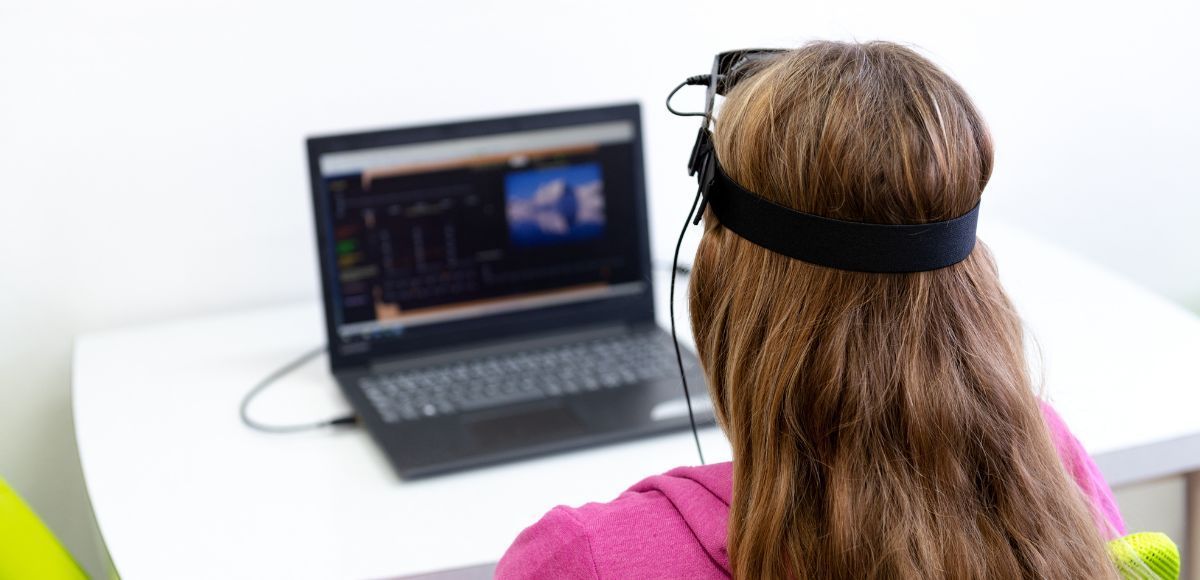
7. Professional Mental Health Support
Professional support is one of the most proven techniques to manage anxiety, especially when symptoms persist.
Mental health professionals can help with:
- Therapy for anxiety management
- Stress reduction techniques
- Guidance on whether medication or stress anxiety relief supplements may be appropriate
The
World Health Organization highlighted the importance of accessible mental health care, noting that over a billion people worldwide live with mental health conditions and need better support systems.
How Lifestyle Choices Impact Anxiety Levels
The little things you do every day add up. How you eat, move, sleep, and deal with stress all affect how your body reacts when anxiety shows up. Those habits can either calm your nervous system down or keep it stuck in high alert.
Helpful lifestyle choices include:
- Eating balanced, whole foods
- Staying hydrated
- Limiting constant news or social media exposure
- Creating routines that support rest and recovery
Small, consistent changes often lead to sustainable anxiety relief over time.
When to Seek Professional Help for Quick Anxiety
It may be time to seek professional help if anxiety:
- Interferes with work or relationships
- Causes frequent panic or physical symptoms
- Disrupts sleep regularly
- Feels unmanageable despite self-care efforts
Seeking help is not a sign of weakness. It’s a proactive step toward better mental health and long-term stress management.
Frequently Asked Questions About Anxiety Relief
What are the fastest ways to reduce anxiety?
These techniques help calm the nervous system in the moment:
- Deep breathing
- Grounding exercises
- Brief walks
- Reducing caffeine intake
Can anxiety be managed without medication?
Yes, definitely.
Many adults manage anxiety through therapy, lifestyle changes, mindfulness practices, and anxiety relief strategies that do not involve medication. Some use supplements under professional guidance.
How does stress contribute to anxiety?
Chronic stress keeps the body in a heightened state of alert, making it harder to relax. Over time, this increases anxiety sensitivity and emotional fatigue.
What are long-term strategies for anxiety relief?
Long-term anxiety relief strategies include regular physical activity, healthy sleep routines, cognitive behavioral techniques, strong social support, and ongoing mental health care when needed.
Start Managing Anxiety and Stress Today
Anxiety is common, but it doesn’t have to control your life. Proven anxiety relief strategies can help adults reduce stress, improve emotional balance, and build resilience over time.
By combining healthy lifestyle choices, practical coping tools, and professional support when needed, adults can create a sustainable approach to managing anxiety, one that supports both mental and physical well-being.
Seek a professional consultation today!