Trauma can shape mental health. Abuse, accidents, or loss leave lasting marks on the brain, influencing emotions and daily life. While therapy offers support, neurofeedback targets trauma’s neurological roots.
Neurofeedback regulates dysregulated patterns at the neurological level, complementing talk therapy or drugs. Some protocols calm overactive brain regions for better self-regulation and stability; others support resilience. Clinicians integrate these noninvasive approaches into treatment plans, which typically do not require long-term commitments.
Now that we've outlined how trauma affects the brain and the unique role of neurofeedback, let’s explore the mechanisms behind this approach, the brain changes that result from trauma, and the protocols most relevant for recovery.
What Is Neurofeedback?
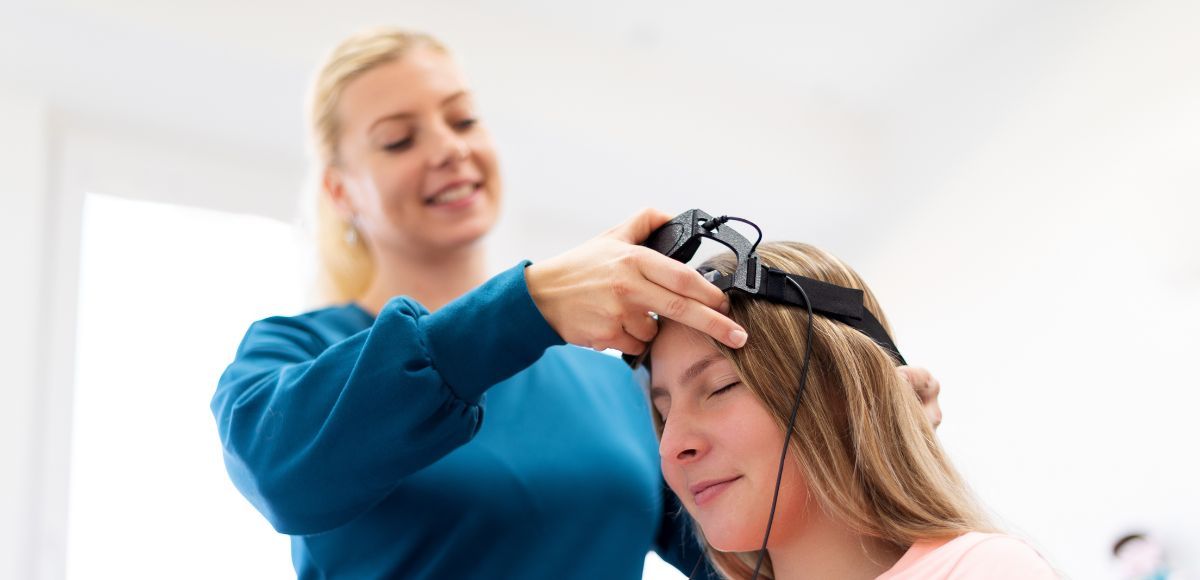
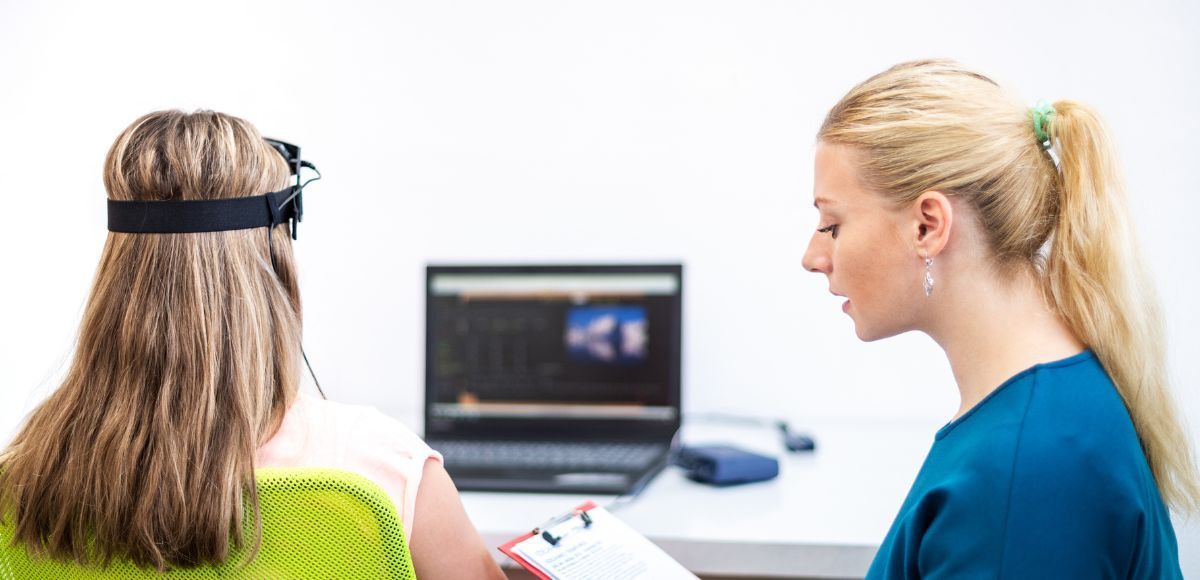
Neurofeedback is a non-invasive therapy in which practitioners use real-time brainwave monitoring to help individuals train their brain activity toward healthier patterns. They place sensors on the scalp to measure electroencephalographic (EEG) signals and display them as feedback, often through sounds, visuals, or games.
When the brain produces desired waves, the system reinforces this action positively. This process encourages lasting changes through neuroplasticity. For trauma, neurofeedback targets and helps correct dysregulated states caused by overwhelming experiences; it doesn't erase memories, but allows the brain to process them more effectively. As a result, symptoms such as hypervigilance or dissociation often decrease.
Sessions usually last 30 to 60 minutes. Individuals may notice effects after completing 20-40 sessions. This approach empowers the nervous system to shift from survival mode to a balanced state, and complements other therapies for comprehensive healing.
How Trauma Impacts the Brain
Trauma disrupts normal brain function and triggers chronic stress responses. The amygdala becomes hyperactive, amplifying fear signals. The hippocampus may shrink, impairing memory formation. Meanwhile, the prefrontal cortex weakens, hindering emotion regulation and decision-making.
This disruption creates heightened arousal, flashbacks, or numbness. Even in safe environments, the brain stays wired for threat. Over time, trauma changes neurotransmitter balance and raises cortisol, which increases
anxiety, depression, or PTSD. These changes extend beyond psychology; they physically reshape neural pathways, making recovery without intervention challenging.
How Neurofeedback Fixes It
Neurofeedback addresses trauma and retrains these altered brain patterns. Immediate feedback normalizes wave activity. For example, boosting alpha waves can promote relaxation, while reducing excessive theta activity can improve focus.
This training promotes neuroplasticity, forming new connections and reducing fear circuits. Protocols like alpha-theta training safely allow access to subconscious memories for processing, helping restore self-regulation so the brain moves from dysregulation to adaptability.
Benefits of Neurofeedback for Trauma Recovery
Neurofeedback offers measurable short-term symptom relief and long-term resilience. Individuals often experience progressive benefits with continued sessions.
- Reduces hyperarousal and anxiety: Calms the amygdala, increasing feelings of safety.
- Improves emotional regulation: Strengthens the prefrontal cortex to manage emotions, reduce impulsivity, and prevent dissociation.
- Enhances memory and cognition: Supports the hippocampus, improving recall and limiting flashbacks.
- Supports sleep and well-being: Regulates brain waves for better rest, aiding healing.
- Builds resilience: Rewires stress responses, lowering PTSD relapse risk.
The Science Behind It: Evidence from Peer-Reviewed Studies
Research supports neurofeedback’s efficacy for trauma, although ongoing studies continue to build the evidence base. Here are insights from three key peer-reviewed articles:
- Systematic Review on Neurofeedback for PTSD A 2023 review analyzed multiple studies, finding moderate
benefits in reducing PTSD symptoms like intrusion and avoidance, with positive effects on anxiety and depression. It highlighted EEG-based protocols as safe and effective, especially when personalized.
- Van der Kolk's Randomized Controlled Trial. In this
2016 study led by Bessel van der Kolk, neurofeedback targeting 2-6 Hz (slow waves) and 22-36 Hz (fast waves) significantly reduced PTSD symptoms in adults, improving affect regulation and focus compared to controls.
- A
2024 meta-analysis of 10 studies found that neurofeedback favorably reduces PTSD severity, with stronger outcomes for complex trauma when clinicians extend sessions.
Top 5 Neurofeedback Protocols for Trauma Recovery
Clinicians tailor various neurofeedback protocols for trauma treatment, drawing on both research and practice. Five protocols stand out for their evidence-based approaches and adaptability. The following breakdown explains how each protocol supports healing.
1. Alpha-Theta Training
Alpha-theta neurofeedback increases alpha (relaxation) and theta (subconscious processing) brainwaves, guiding clients into a meditative state. This helps individuals safely approach traumatic memories and process them without becoming overwhelmed. It suits people with PTSD, flashbacks, or dissociation who need a gentle approach for memory integration.
How to use: Usually 20-30 sessions with therapy, ideal for flashbacks or dissociation.
2. Infra-Low Frequency (ILF) Neurofeedback
Infra-Low Frequency (ILF) neurofeedback targets very slow brain waves (below 0.1 Hz) to calm the emotional and nervous system. Clinicians often use ILF for developmental or complex trauma marked by ongoing anxiety or mood swings. This protocol resets brain arousal patterns and encourages resilience, as reported by practitioners such as Sebern Fisher.
How to use: Sessions focus on subtle feedback; best for chronic dysregulation. Start with a qualified practitioner for personalization.
3. Sensorimotor Rhythm (SMR) Training
Sensorimotor Rhythm (SMR) neurofeedback strengthens 12-15 Hz brain waves in the motor cortex. This protocol fosters calm alertness, greater body awareness, and reduces trauma-related muscle tension and restlessness. SMR best serves individuals with trauma-driven anxiety, sleep difficulties, or hypervigilance.
How to use: 1-2 sessions weekly; can be home-based with devices—pairs well with mindfulness practices.
4. QEEG-Guided Neurofeedback
Quantitative EEG-guided (QEEG) neurofeedback starts with mapping unique wave patterns. This guides tailored feedback, like reducing high beta waves for anxiety or increasing slow waves for stability. QEEG-guided protocols support individuals with different trauma types: emotional regulation, focus, and anxiety, with follow-up scans to monitor progress.
How to use: Start with a brain map, suitable for many trauma types. Monitor with follow-ups.
5. Van der Kolk Protocols
The van der Kolk protocol uses neurofeedback to suppress slow (2-6 Hz) and fast (22-36 Hz) brainwaves, rewarding mid-range frequencies that support emotional and cognitive steadiness. Designed for PTSD, it addresses emotional regulation and intrusive symptoms, guiding clients towards restored brain balance when used under clinician supervision.
How to use: For clinical settings, 30+ sessions. Consult a trauma-informed provider.
Difference of Standard and Advanced Neurofeedback Protocols
Not all neurofeedback approaches offer the same depth. Standard and advanced options differ in technology, personalization, and application, which shape trauma recovery outcomes.
Standard Neurofeedback Protocols
Standard protocols use basic EEG feedback with fixed frequencies, such as simple alpha or theta training from preset software. These protocols include:
- Basic reward/inhibit systems for common waves like beta or delta
- Clinic-based sessions with general goals like relaxation
- Entry-level home devices for maintenance
Standard methods provide reliable symptom relief but often fail to address unique trauma patterns fully.
Advanced Neurofeedback Protocols
Advanced protocols integrate real-time data and customization, often using QEEG or ILF to provide deeper insights. These systems include:
- Brain mapping-guided adjustments
- Multi-channel systems like LORETA for 3D targeting
- Integration with therapy, as in van der Kolk's research
Advanced equipment treats complex PTSD but is less accessible and requires trained specialists.
What to Look For
When choosing a protocol, consider your needs. A good option should include:
- Personalization based on initial EEG assessment
- Evidence-based frequencies (e.g., avoiding unproven extremes)
- No high-risk elements like unmonitored home use for severe cases
Protocols with therapist oversight often yield better results, especially for trauma.
Conclusion: Choosing the Right Protocol for Your Trauma Healing
The most important step is to take action: consult with a trained neurofeedback provider to discuss your trauma history, personal goals, and which protocol might suit your needs best. Remember, healing is possible, and reaching out for support today can be a crucial turning point on your path to recovery. Start your journey to reclaim your well-being and explore neurofeedback with professional guidance.
Monitor how your brain and body respond to each step. Small, consistent actions can become part of a supportive routine for lasting well-being.
Frequently Asked Questions About Neurofeedback for Trauma
Which protocol is most effective for PTSD?
Alpha-theta and van der Kolk's inhibit-based protocols are among the most studied. Alpha-theta helps process memories, while van der Kolk's focus on wave regulation shows strong symptom reduction in trials. Both score high in meta-analyses for trauma outcomes.
What does neurofeedback do for trauma recovery?
Neurofeedback helps manage dysregulation from trauma, which builds up from hyperarousal or dissociation. By training brain waves, it supports neural repair, may improve focus and calm, and builds resilience. Over time, it contributes to better emotional control and reduced triggers.
Is it okay to use neurofeedback alongside therapy?
Yes, combining neurofeedback with therapies like EMDR or counseling is safe and often recommended, especially for complex trauma. Consistent use enhances benefits, but balance matters. Avoid standalone use if symptoms are severe.
Which is the strongest protocol for complex trauma?
There isn't a single "strongest," as effectiveness varies. However, many clinicians highly regard ILF and QEEG-guided methods for deep-rooted trauma, citing strong evidence that they reduce inflammation-like neural stress.
Start Your Neurofeedback Journey for Better Brain and Emotional Health
If you're feeling overwhelmed, disconnected, or stuck due to trauma, remember that healing often involves addressing the brain's wiring. At a neurofeedback clinic or with a certified provider, a holistic approach examines how past experiences, stress, and neurology intersect, helping you find practical steps to reclaim balance.
Seek a professional consultation today!