
3 Tips for Starting a Self-Care Routine

January 12, 2025

You’ve probably heard of “self-care Sunday,” a recent trend that involves devoting one day a week to nourishing your mind and body. Whether you want to start practicing self-care on Sundays, Wednesdays, Fridays—or every day—good for you! Depending on the practices you adopt, self-care can boost your mental and emotional health, enhance your physical health, strengthen your relationships, and improve your overall quality of life. Here are three tips to consider when starting a self-care routine:


1. Think About Your Goals


The thought of tackling all areas of your life at once can feel overwhelming, so decide what you’d like to focus on first. Once you’ve identified your goals, consider what activities will help you achieve them and where you can turn for support.


2. Block Off Time


You probably don’t hesitate to set aside time for school, work, and family obligations, but self-care is just as important. Block off a set amount of time—whether it be an hour or a full day—and commit to following through with your plans.


3. Start Attending Therapy


Many people think of self-care as something they do on their own, but speaking to a therapist is one of the best things you can do to improve your mental and emotional health. Luckily, you won’t need to look far to find a qualified therapist near you. Our caring team is highly experienced and can provide you with personalized recommendations that are tailored to your specific goals. Contact us today to schedule an initial consultation.

Man seated in a gray armchair, wearing a white shirt and black headband, with a potted plant in the background
April 30, 2026
Is your brain struggling with focus, anxiety, or poor sleep? Discover 7 signs that neurofeedback therapy at Infinite Potential in Round Rock, TX could help.

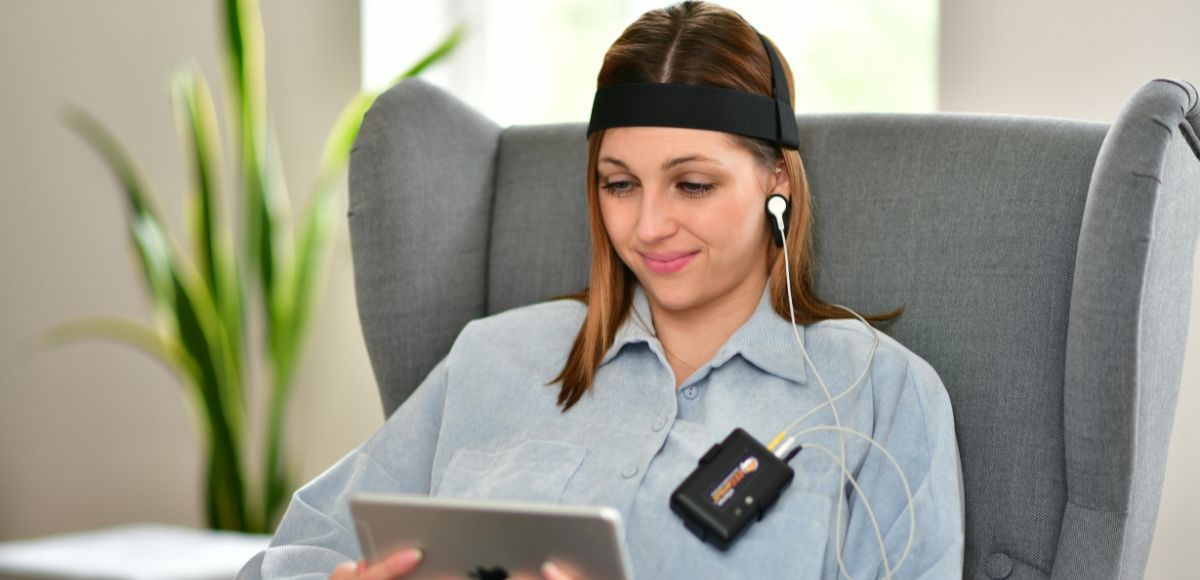
Woman using a tablet while seated in a gray chair, wearing a headset in a bright room.
April 15, 2026
Learn how neurofeedback for anxiety naturally retrains your brain to ease chronic stress. Infinite Potential in Texas helps you find real, lasting relief.

Person wearing a headset watching a laptop screen with code in a bright office.
April 2, 2026
Discover 5 ways neurofeedback therapy may support ADHD focus and emotional regulation. Non-invasive, drug-free brain training at Infinite Potential TX.

A woman sits at a laptop with her head in her hands while two children have a pillow fight on the couch behind her.
March 16, 2026
Discover relaxation techniques for stress and improve sleep quality naturally in Round Rock and Austin. Learn simple strategies for lasting mental wellness. Primary Keyword: relaxation techniques for stress

Wooden dominoes falling toward a businessperson cutout standing between them on a teal background.
February 12, 2026
Discover the top emotional resilience strategies to rebuild strength after life or career setbacks, with trusted guidance from Infinite Potential in CTX.

Woman seated on sofa, eyes closed, hands on chest, practicing deep breathing in sunlit room.
January 16, 2026
Discover proven anxiety relief strategies for adults, including natural techniques and lifestyle changes to reduce stress and improve daily well-being.

Man sitting with hands covering face near a window, appearing distressed.
December 19, 2025
Discover 10 natural depression treatments without medication, including therapy, nutrition, neurofeedback, and lifestyle changes that support recovery.

Purple silhouette head with a brain-shaped thought bubble containing a butterfly; six blue butterflies arch above.
November 21, 2025
Discover how neurofeedback supports trauma recovery by retraining brain patterns for emotional balance, resilience, and long-term healing.

Glass cup and teapot of herbal tea with mint sprig, beside an open book.
October 17, 2025
Want better brain and body health? Explore 5 antioxidant drinks you should add to your diet and read more about their benefits today.
Rainbow ribbon looped into an infinity symbol on a light blue background.
September 19, 2025
Explore how neurofeedback therapy benefits a high-functioning autism brain. Find out how a neurofeedback therapist can help improve focus.
Show More