Neurofeedback for TBI: Your Recovery Path
If you or someone you care about is struggling months after a brain injury, you're not alone. Many people find that standard rehab helps with mobility and basic function, but persistent brain fog, mood swings, or cognitive slowness linger long after the acute phase ends. This post explains how neurofeedback for TBI works, what the research supports, and whether it may be a fit for your recovery plan.
What Happens to the Brain After a Traumatic Brain Injury?
A traumatic brain injury disrupts more than tissue. It throws off the brain's electrical communication patterns the rhythms that govern focus, memory, emotional control, and sleep.
After a TBI, some regions of the brain become overactive, producing too much slow-wave activity when fast-wave function is needed. Others go quiet when they should be engaged. The result is a brain working harder than it should to accomplish basic tasks, and often falling short.
This disruption explains why people with TBIs frequently report feeling mentally exhausted, emotionally reactive, or unable to concentrate even after physical symptoms subside. The brain's wiring, not just its structure, has been affected.
Traditional imaging like an MRI often looks normal after a mild TBI. That doesn't mean the injury isn't real, it means standard tools aren't measuring the right thing.
Why Conventional TBI Rehab Has Limits
Standard traumatic brain injury therapy typically focuses on physical recovery rebuilding motor skills, speech, and basic cognition through structured exercises. This approach is essential, and it helps many people reclaim function they had lost.
But conventional TBI brain rehabilitation wasn't designed to address dysregulated brainwave activity. Speech therapy, physical therapy, and occupational therapy work on behavior and output. They don't directly train the brain's electrical patterns.
For people with mild traumatic brain injury, this gap is especially frustrating. Symptoms like irritability, memory issues, sleep disruption, and attention problems may persist for months or years, yet standard rehab offers few targeted tools to address them.
That's where brain retraining after injury comes in. Neurofeedback approaches the recovery process differently starting with the brain's own electrical activity rather than working around it. To learn more about what the neurofeedback process looks like at Infinite Potential, visit our
neurofeedback therapy page.
How Neurofeedback for TBI Works: The Brain Retraining Process
What a qEEG Reveals After Brain Injury
Before neurofeedback begins, most specialists conduct a quantitative EEG, or qEEG brain map. This assessment records brainwave activity across multiple regions and compares the pattern against a normative database of people without brain injuries.
The qEEG is one of the most informative tools in TBI assessment because it measures what structural imaging can't: the functional organization of the brain's electrical activity. It can detect areas of excess slow-wave activity, asymmetries between hemispheres, and patterns associated with attention, memory, or mood regulation problems.
For specialists providing TBI treatment Round Rock TX, the qEEG serves as the foundation for an individualized neurofeedback protocol. Instead of a one-size-fits-all training approach, the protocol targets the specific patterns that are dysregulated in each person's brain.
This level of precision matters, especially in mild TBI cases where symptoms are real but conventional testing appears normal. A qEEG gives both the client and specialist a clear, objective picture of what the brain is actually doing.
Mild TBI and the Overlooked Recovery Window
Mild Traumatic Brain Injury Therapy: Why Persistent Symptoms Need Attention
Mild traumatic brain injury therapy is often underprescribed because the injury is deemed "minor." But for people experiencing ongoing cognitive and emotional symptoms months after a concussion or mild TBI, this label can feel deeply dismissive.
Research from the National Institute of Neurological Disorders and Stroke indicates that a significant portion of mild TBI patients continue to experience symptoms past the typical recovery window. These are sometimes called persistent post-concussive symptoms.
A randomized controlled trial published in Neurorehabilitation and Neural Repair examined the use of neurofeedback in TBI rehabilitation and found meaningful improvements in memory, attention, information processing speed, and quality of life compared to usual care.
The International Society for Neuroregulation and Research (ISNR) also recognizes traumatic brain injury as a condition for which neurofeedback has a growing evidence base, particularly for symptom clusters involving attention and emotional dysregulation.
TBI Mood Changes and Emotional Dysregulation
One of the most disruptive and least discussed effects of TBI is its impact on mood. Many families begin searching for answers after noticing that their loved one seems like a different person post-injury.
Irritability, emotional outbursts, anxiety, and depression are common TBI sequelae. They aren't character flaws or mental illnesses that developed independently. They're often direct consequences of disrupted connectivity between brain regions responsible for emotional regulation, particularly the prefrontal cortex and the limbic system.
Neurofeedback protocols targeting these regions aim to restore more balanced communication. When the prefrontal cortex can exert appropriate regulatory control over emotional responses, clients often report feeling more like themselves. Reactivity decreases. Sleep improves. Relationships become less strained.
This is where integrative approaches make a real difference. At Infinite Potential,
integrative mental health care
in Round Rock combines neurofeedback with therapeutic support to address both the neurological and emotional dimensions of TBI recovery, not one without the other.
TBI Recovery Milestones: What to Expect
Recovery through neurofeedback is not linear, and it's rarely fast. Setting realistic expectations at the start protects both engagement and trust in the process.
Most clients notice early signs of change: better sleep, slightly improved focus, less mental fatigue within the first 10 to 20 sessions. These early shifts are encouraging, but they're not the endpoint.
For TBI neurofeedback programs, the full course typically runs between 20 and 40 sessions. Complex presentations, longer time since injury, or co-occurring conditions like anxiety or PTSD may extend that range up to 60. Progress is tracked across sessions using subjective symptom ratings and periodic qEEG comparisons.
It's also worth noting that gains made through neurofeedback tend to be durable. Because the brain is learning new regulation patterns rather than relying on a substance to function, improvements generally hold after the training program ends.
People seeking TBI treatment in Round Rock TX through
neurofeedback therapy at Infinite Potential receive a personalized protocol built around their qEEG results, tracked across every session.
Is Neurofeedback the Right Next Step for You?
Neurofeedback isn't the right path for everyone, and it isn't a replacement for medical care. It works best as part of a broader recovery plan alongside appropriate medical management, physical rehabilitation, and
adult therapy support when needed.
Good candidates for TBI neurofeedback tend to share a few characteristics: they're past the acute phase of injury, they have persistent cognitive or emotional symptoms that haven't fully responded to standard rehab, and they're willing to commit to a multi-session program.
At Infinite Potential, neurofeedback is a cash-pay service. Session costs and package options are covered during your consultation.
If you're exploring options for yourself or a family member in Round Rock or the greater Austin area, the next step is a consultation and qEEG assessment. That evaluation will tell you whether your brainwave patterns are a match for neurofeedback training.
You can also explore how
neurofeedback supports post-concussion recovery to understand how closely related TBI and concussion protocols are in practice.
Take the Next Step Toward Non-Invasive Brain Recovery
If you've been looking for a path forward after a brain injury, one that doesn't involve more medication or another procedure, neurofeedback may be worth a closer look.
The team at Infinite Potential in Round Rock works with TBI clients using a qEEG-guided, individualized approach to brain retraining. Call 512-230-3740 or schedule a consultation online to get started.
Frequently Asked Questions
1. Can neurofeedback heal a traumatic brain injury?
Neurofeedback doesn't repair structural damage to brain tissue. What it does is train dysregulated brainwave patterns toward healthier function, which can meaningfully reduce symptoms like brain fog, mood instability, and attention difficulties. Many TBI clients report significant quality-of-life improvements through consistent neurofeedback training, even when imaging shows prior injury.
2. How is TBI neurofeedback different from standard rehab?
Standard TBI rehabilitation focuses on rebuilding function through behavioral practice, speech therapy, physical therapy, and cognitive exercises. Neurofeedback works at the level of the brain's electrical activity, training the patterns that govern how well those behavioral functions operate. The two approaches are complementary, not competing.
3. How many sessions does TBI neurofeedback require?
Most TBI neurofeedback programs involve 20 to 40 sessions. Complex or chronic presentations, or those with a longer time since injury, may require up to 60. Progress is tracked and the protocol is adjusted based on individual response.
4. Is neurofeedback safe after a TBI?
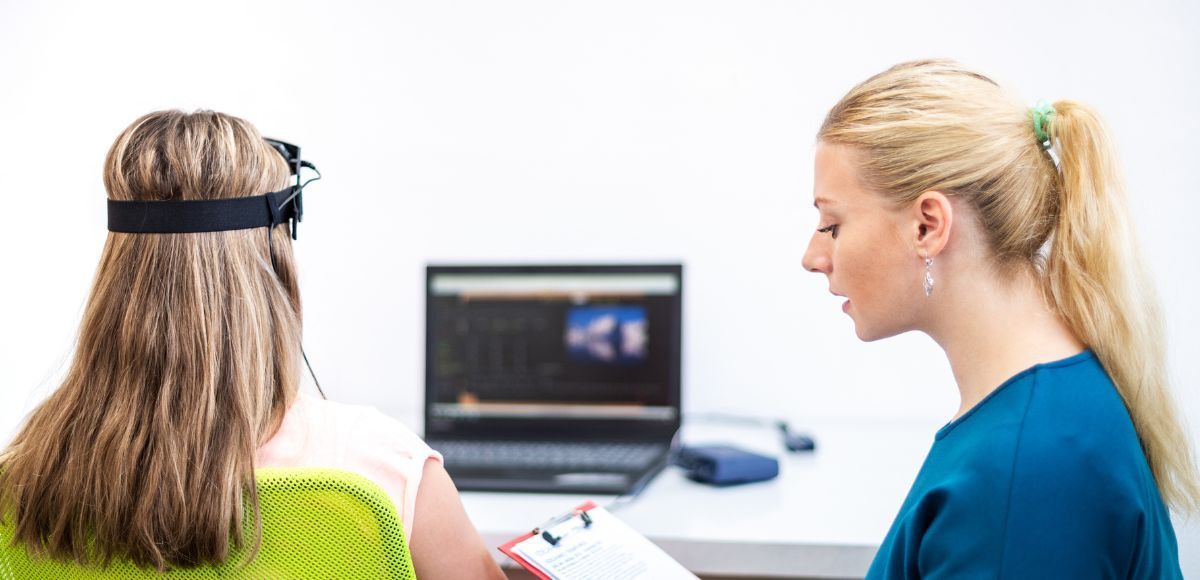
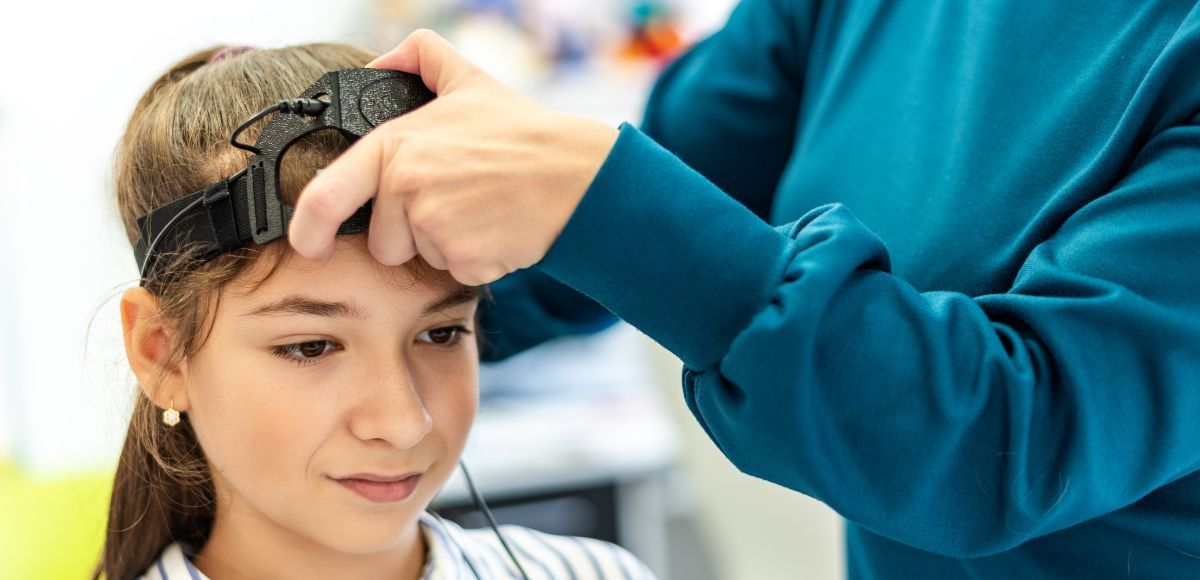
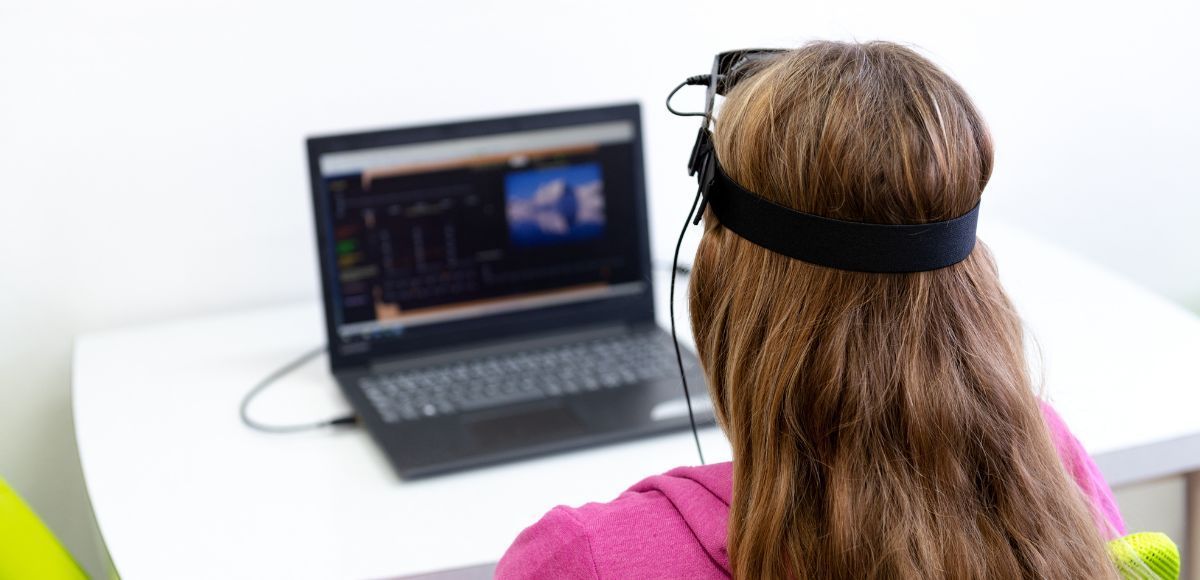
Yes. Neurofeedback is a non-invasive, passive monitoring and feedback system. It places sensors on the scalp to read brainwave activity and delivers feedback through audio or visual cues nothing enters the body or emits electrical signals into the brain. It's appropriate for most people post-TBI, including those with mild injuries, though an initial assessment helps confirm suitability.
5. What does a typical neurofeedback session cost?
Neurofeedback at Infinite Potential is a cash-pay service. The team walks you through session costs and package options during your consultation so you can plan accordingly.
6. What symptoms does TBI neurofeedback most commonly help?
Clients most frequently report improvements in focus and mental clarity, sleep quality, mood stability, processing speed, and stress tolerance. TBI mood changes including irritability and emotional reactivity are among the most commonly addressed symptoms in neurofeedback protocols for brain injury.
Key Takeaways
A qEEG brain map should precede any TBI neurofeedback program, it identifies specific dysregulated patterns the protocol needs to target, rather than applying a generic approach.
- Symptoms like mood changes, sleep problems, and cognitive fog after TBI are often tied to disrupted brainwave activity, not just structural damage neurofeedback addresses this layer directly.
TBI neurofeedback programs typically run 20 to 40 sessions, with complex presentations requiring up to 60.
- Neurofeedback is a cash-pay service, so budgeting for a full program is part of the decision.
Non-invasive brain recovery through neurofeedback works best as part of a broader care plan that includes medical management and, where needed, therapeutic support.
- Mild TBI is often undertreated persistent symptoms months after a concussion are a real signal that the brain's electrical patterns may need retraining, not just rest.