Neurofeedback for Post-Concussion Syndrome: Healing After a Hit
Post-concussion syndrome happens when the brain's electrical patterns stay dysregulated after a head injury. Neurofeedback for post-concussion syndrome is a non-invasive training method that uses real-time brainwave feedback to help the brain regulate those patterns at their source. This post covers how it works, what a qEEG shows, and what the process looks like at Infinite Potential in Round Rock, TX.
What Is Post-Concussion Syndrome?
A concussion is a mild traumatic brain injury (TBI) caused by a blow to the head or a sudden jarring motion. Most people expect symptoms to clear within a few days. For some, though, they don't.
Post-concussion syndrome (PCS) is diagnosed when concussion-related symptoms persist beyond the typical recovery window usually three weeks or more.
Symptoms vary from person to person, but common presentations include:
● Persistent headaches or migraines
● Brain fog and difficulty concentrating
● Memory problems
● Sleep disruption
● Mood changes, irritability, or anxiety
● Sensitivity to light or noise
● Dizziness or balance issues
According to the
CDC, post-concussion syndrome is most common in people with a history of multiple concussions or prior conditions like depression or anxiety, not necessarily the ones who were hit hardest.
PCS can affect athletes recovering from sports concussion, vehicle accident survivors, military veterans, and anyone who has experienced a head injury. The neurological disruption doesn't always show up on a standard MRI or CT scan, which is part of why many people feel dismissed when their symptoms persist. The
NIH's clinical overview of post-concussion syndrome confirms that PCS symptoms can linger and negatively affect daily cognitive function even when structural imaging appears normal.
Why Standard Recovery Sometimes Stalls
Standard post-concussion care typically involves rest, activity modification, and time. For many people, that's enough. For others, the brain seems to get stuck cycling through the same symptoms without clear improvement.
This happens because a concussion doesn't just cause a moment of trauma. It disrupts the electrical communication between brain cells. Think of it like a power grid that took a hit: most of the lights come back on, but some circuits stay dysregulated, causing the brain to fire in patterns that feel off.
When brainwave activity remains dysregulated, the nervous system stays in a state of low-level stress. Sleep is disrupted. Attention is harder. Emotional regulation feels unstable. These are the hallmarks of lingering PCS not weakness or imagination, but measurable neurological patterns that rest alone may not fully resolve.
This is where
integrative mental health care can offer a different path. Rather than waiting and hoping symptoms fade, integrative care through neurofeedback actively works on the brain patterns driving those symptoms, giving the nervous system the support it needs to regulate itself again.
How Neurofeedback Supports Brain Healing After Concussion
What Neurofeedback for Post-Concussion Syndrome Actually Does
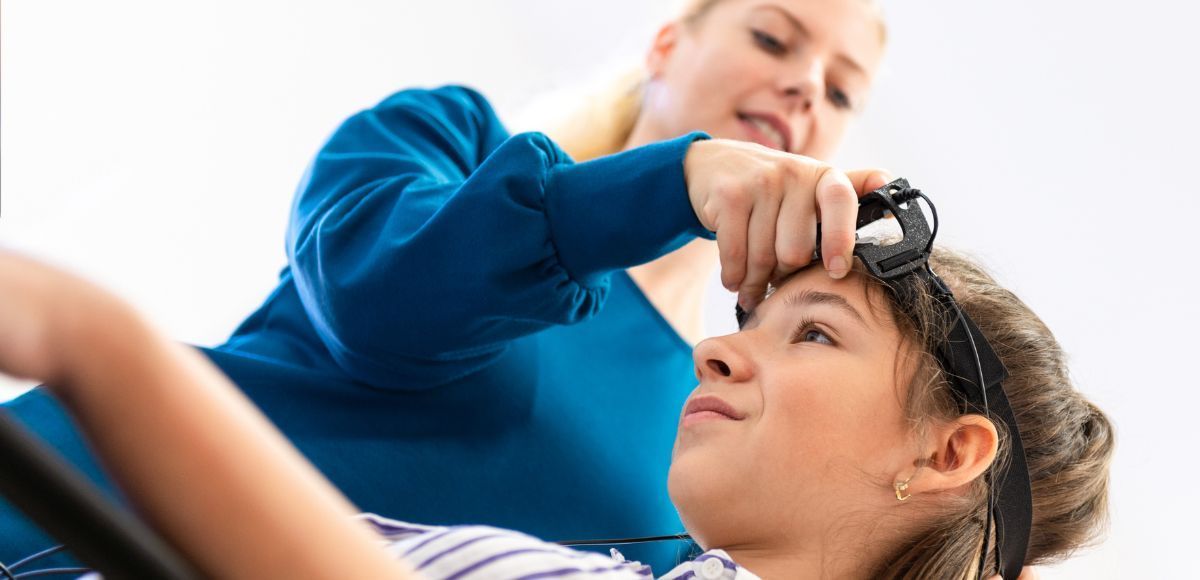
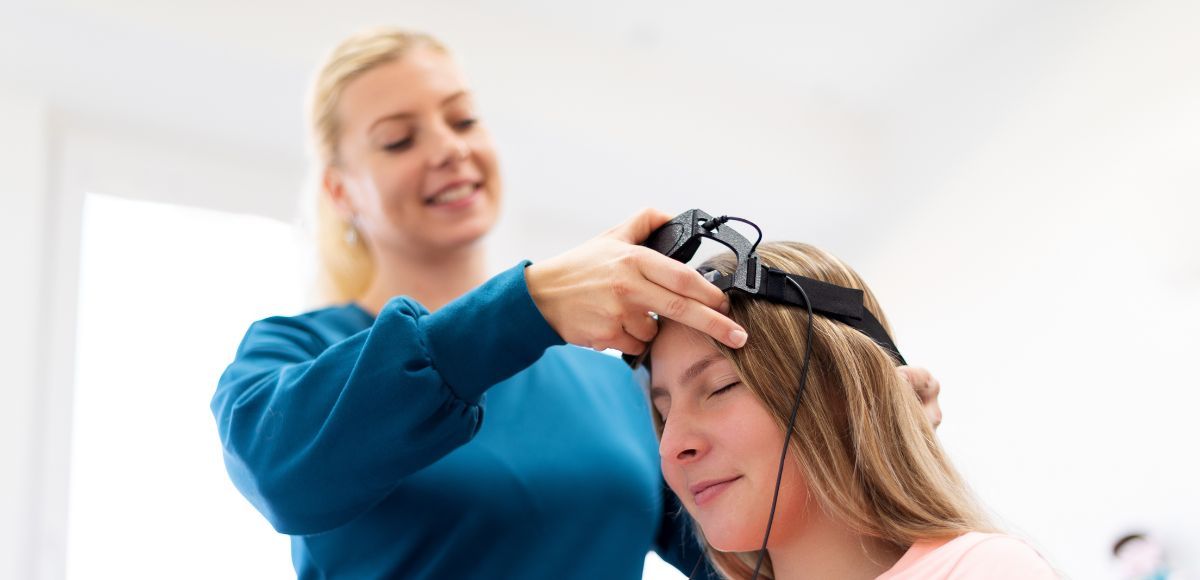
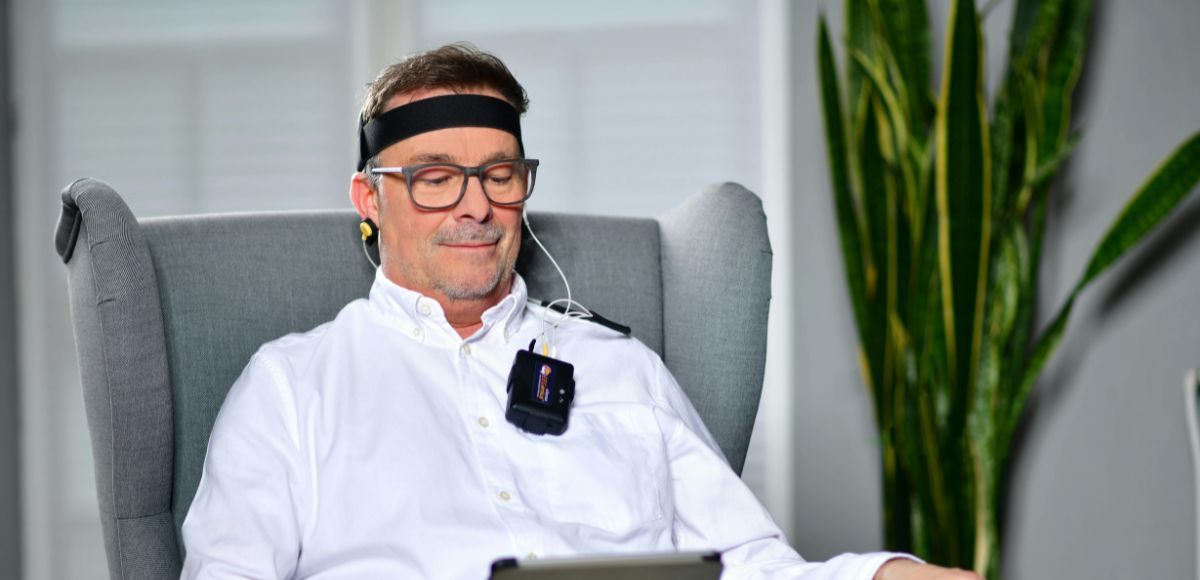
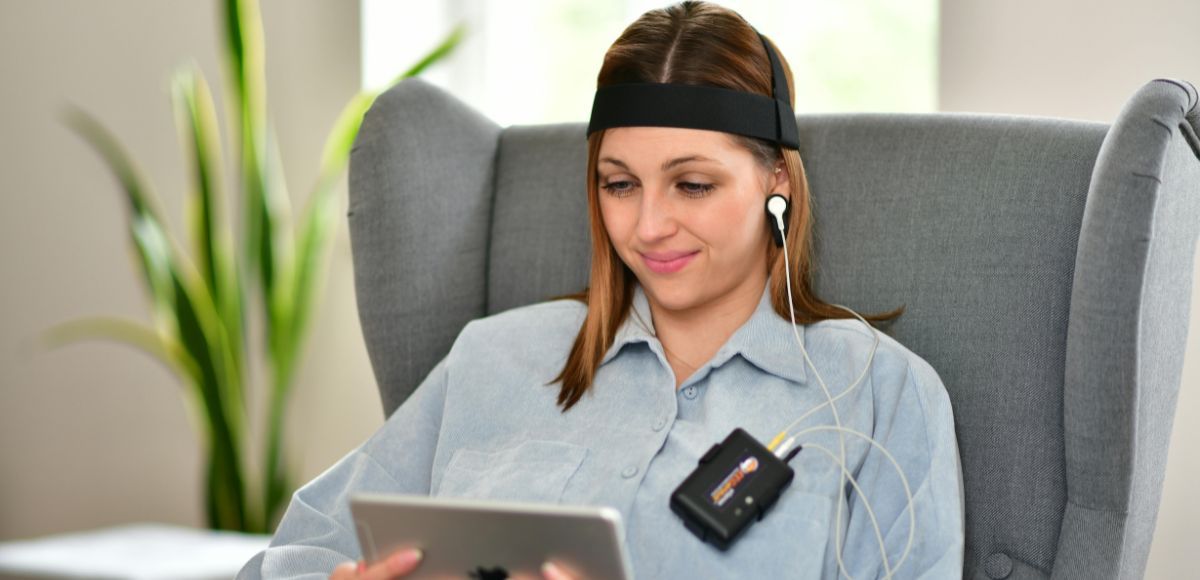
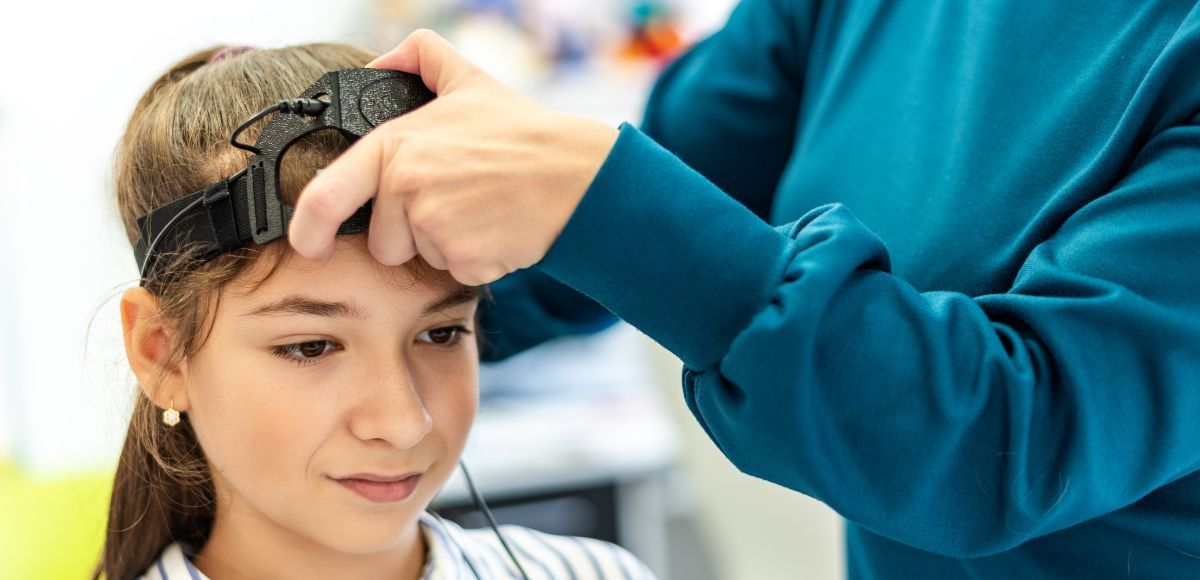
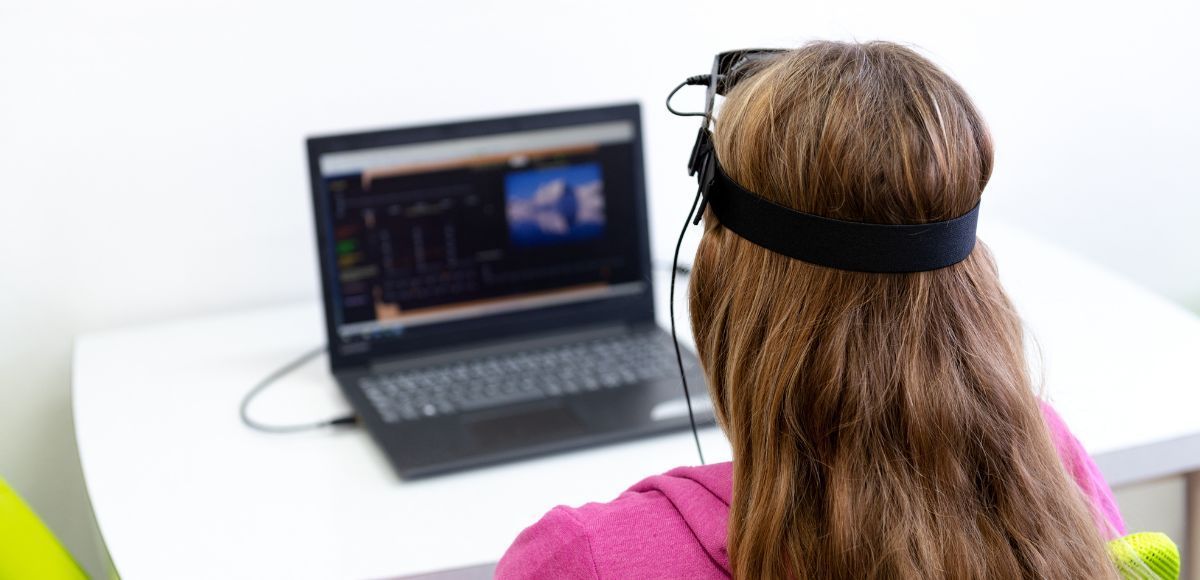
Neurofeedback for post-concussion syndrome is a form of biofeedback that trains the brain to produce healthier electrical patterns. Sensors are placed on the scalp to monitor brainwave activity in real time. The brain receives instant feedback typically through audio or visual signals that encourages it to shift toward more regulated patterns.
It's a non-invasive process. There are no needles, no medications, and no shocks. The brain does the work itself; neurofeedback simply provides the information it needs to self-correct through a process called neuroplasticity.
For someone recovering from a concussion, this matters because TBI recovery therapy isn't just about waiting for inflammation to settle. It's about actively supporting the brain's ability to rewire. Neurofeedback engages that process directly. If you are also navigating trauma alongside your concussion, our post on
How Neurofeedback Heals The Brain's Hidden Wounds covers how the same approach supports PTSD and trauma recovery.
What the Research Says
A peer-reviewed literature review in the Annals of Clinical Psychiatry found that patients report improvement across a wide range of neuropsychiatric symptoms after neurofeedback for traumatic brain injury, positioning it as a promising component of TBI recovery. Clinical protocols and case studies continue to document gains in cognitive function, sleep quality, and symptom reduction in patients with mild TBI.
Clinically, many patients report improvements in post-concussion headaches, clearer thinking, more stable mood, and better sleep within several weeks of consistent sessions. Individual results vary, and the timeline depends on the severity and duration of symptoms, but consistent attendance and a personalized protocol are the strongest predictors of progress.
What Does a qEEG Show After a Concussion?
Before starting neurofeedback, a provider will typically perform a qEEG concussion assessment, a quantitative electroencephalogram. This is a brain map that records the electrical activity across different regions of the brain and compares it against a normative database.
The qEEG is one of the most valuable tools available for understanding what's actually happening after a head injury. It can reveal areas of slowed activity, excessive fast-wave patterns, connectivity disruptions between brain regions, and other irregularities that don't appear on structural imaging like an MRI.
For someone dealing with brain healing after injury, the qEEG provides a clear starting point. It shows the specialist exactly which patterns need support and allows them to design a neurofeedback protocol that is specific to that person's brain, not a generic template.
This level of personalization is why many people who tried rest and standard post-concussion care without success find that a structured qEEG-guided neurofeedback plan produces results. The protocol is responding to what's actually happening in that individual's nervous system.
What to Expect From Your Care Plan
The Intake and Brain Mapping Process
Your first step at Infinite Potential is a thorough intake. Your specialist will gather your full history, including when the concussion occurred, what symptoms you're experiencing, and what approaches you've already tried. This conversation matters and it shapes how your care is designed.
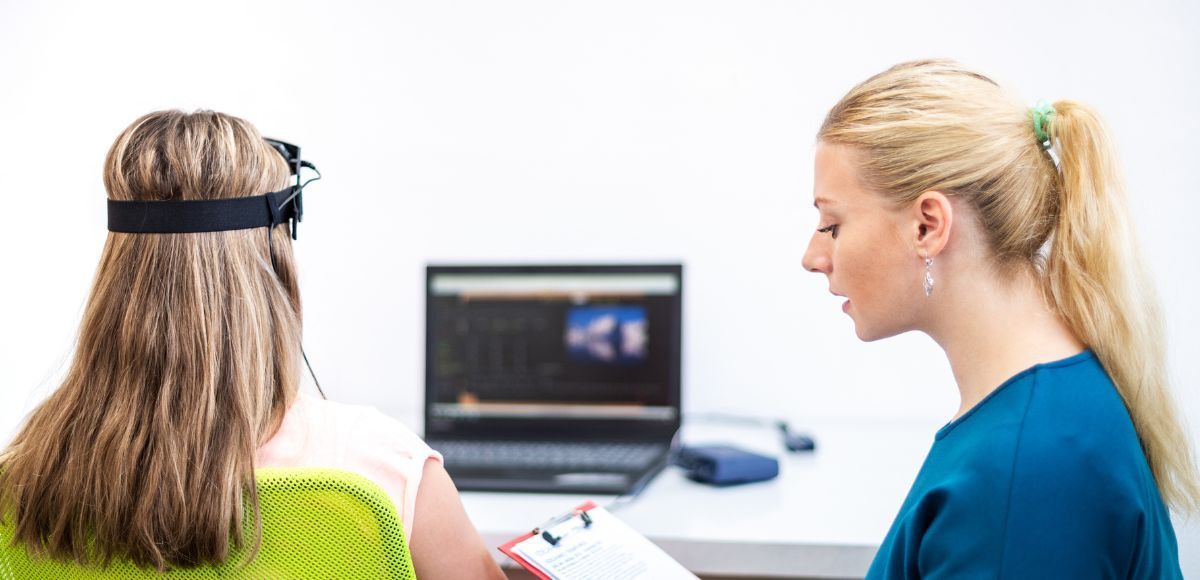
From there, a qEEG brain map is performed. The process is comfortable and takes about an hour. You'll sit still while sensors record your brainwave activity. The data is then analyzed, and your specialist uses it to build a personalized neurofeedback training plan.
Neurofeedback Sessions
Sessions typically run 30 to 45 minutes. You'll sit comfortably while sensors remain on your scalp and the neurofeedback software monitors your brainwave activity in real time. Our walkthrough of what happens during a neurofeedback session explains the full experience if you'd like to know what to expect. Most clients find sessions relaxing. Between sessions, pairing neurofeedback with structured
relaxation techniques for stress can support better sleep and nervous system recovery. Over time, usually across multiple sessions the brain begins to adopt the more regulated patterns it's been guided toward.
How Many Sessions Are Needed?
The number of sessions needed varies. Mild, recent post-concussion cases may respond within 20 to 40 sessions. More complex or long-standing PCS often requires up to 60 sessions. Your specialist will review your progress regularly and adjust the protocol as the brain responds.
Concussion symptoms relief through neurofeedback is not immediate but it is cumulative. Most people notice gradual changes: sleeping more soundly, feeling less reactive, thinking more clearly. These shifts build on one another session by session. Neurofeedback at Infinite Potential is a cash-pay service at $100 per session.
Is Neurofeedback Right for You After a Concussion?
If you've been experiencing symptoms for more than a few weeks after a concussion and standard approaches haven't resolved them, neurofeedback offers a direct, drug-free path that works at the level of the brain patterns driving your symptoms rather than managing them from the outside.
It's particularly worth considering if your symptoms include brain fog, sleep problems, post-concussion headaches, mood instability, or difficulty focusing the neurological hallmarks that neurofeedback directly targets. Sports concussion recovery in Austin TX and the Round Rock area has a dedicated resource at Infinite Potential. Our
adult therapy services can be combined with neurofeedback as part of a broader care plan when mood, anxiety, or emotional dysregulation are also present.
Recovery from a TBI, even a mild one, takes more than patience. It takes the right support. If your brain is still sending distress signals, the next step is understanding why and giving it the tools to regulate again.
Your Brain Can Heal. Let's Find Out What It Needs.
Your brain doesn't have to stay stuck in recovery.
Call Infinite Potential
in Round Rock at 512-230-3740 today to schedule your intake consultation and find out if a qEEG-guided neurofeedback plan is right for you.
Frequently Asked Questions
1. How long does post-concussion syndrome last?
Post-concussion syndrome can last anywhere from a few weeks to several months, and in some cases longer. Recovery time depends on the severity of the initial injury, the person's overall health, stress levels, and whether the underlying neurological patterns are being actively addressed. Many people find that symptoms plateau without targeted intervention which is where neurofeedback can help.
2. Does neurofeedback help post-concussion headaches?
Yes, post-concussion headaches are one of the most common symptoms that respond to neurofeedback. Headaches after a concussion are often linked to brainwave dysregulation particularly in regions that govern pain processing and autonomic function. As neurofeedback training helps normalize these patterns, many clients experience a reduction in headache frequency and intensity over the course of treatment.
3. How many neurofeedback sessions are needed after a concussion?
Most people with mild or recent post-concussion syndrome respond within 20 to 40 sessions. More complex cases where symptoms have been present for months or years may require up to 60 sessions. Your specialist will review your progress regularly and adjust the protocol based on how your brain is responding.
4. Can neurofeedback treat brain fog from a concussion?
Brain fog is one of the most frustrating lingering symptoms after a concussion, and it's a common target of neurofeedback directly addressed. Slowed or dysregulated brainwave activity in the prefrontal cortex is often associated with difficulty thinking clearly. Neurofeedback can help retrain those patterns, which many clients experience as improved mental clarity, better focus, and less cognitive fatigue.
5. What is a qEEG and why is it used before neurofeedback?
A qEEG (quantitative electroencephalogram) is a brain mapping tool that records electrical activity across the scalp and compares it against a normative database. For post-concussion care, it shows your specialist exactly where the brain's patterns are disrupted, information that doesn't appear on a standard MRI. This data is used to design a personalized neurofeedback protocol that targets the specific areas causing symptoms, rather than following a one-size-fits-all approach.
6. Is neurofeedback safe for someone recovering from a concussion?
Yes. Neurofeedback is a non-invasive process that does not use medication, electrical stimulation, or any form of physical intervention. Sensors measure brainwave activity, they don't send signals into the brain. The process is safe for most individuals recovering from mild to moderate TBI, and it can be started once the acute phase of concussion has passed. Your specialist will confirm appropriateness during the intake process.
Key Takeaways
- Post-concussion syndrome occurs when symptoms persist beyond the normal recovery window typically three or more weeks after the injury.
- Neurofeedback for post-concussion syndrome trains the brain's electrical patterns in real time, supporting the neurological self-correction that rest alone may not trigger.
- A qEEG concussion assessment maps the brain's electrical activity before training begins, allowing for a personalized protocol rather than a generic approach.
- Common PCS symptoms including post-concussion headaches, brain fog, sleep problems, and mood changes are directly targeted by neurofeedback training.
- TBI recovery therapy through neurofeedback is not a quick fix, but it is a cumulative process most clients notice meaningful changes across a course of sessions.
- Infinite Potential in Round Rock, TX offers qEEG-guided neurofeedback and integrative mental health support for adults navigating post-concussion recovery.