Neurofeedback for Children: Focus, Behavior, and Emotional Regulation
If your child struggles with focus, emotional outbursts, or behavioral challenges, you may be searching for options that go beyond medication. Neurofeedback for children is a non-invasive, drug-free approach that trains the brain's own activity patterns to support self-regulation. This post explains how it works, which conditions it may help with, and what to realistically expect.
Why Some Children Struggle With Focus and Emotional Regulation
Children who have difficulty staying on task or managing their emotions are not simply being difficult. Their brains may be producing irregular electrical activity patterns that make sustained attention and emotional control genuinely hard to maintain.
ADHD, anxiety, autism spectrum challenges, and certain learning differences all involve dysregulation in how the brain communicates with itself. When those rhythms are consistently off balance, children may struggle to filter distractions, transition between tasks, or settle after frustration.
For many families, the search for support leads to questions about neurofeedback child behavior outcomes and whether brain-based training can make a real difference without adding medication to the picture.
What Is Neurofeedback for Children?
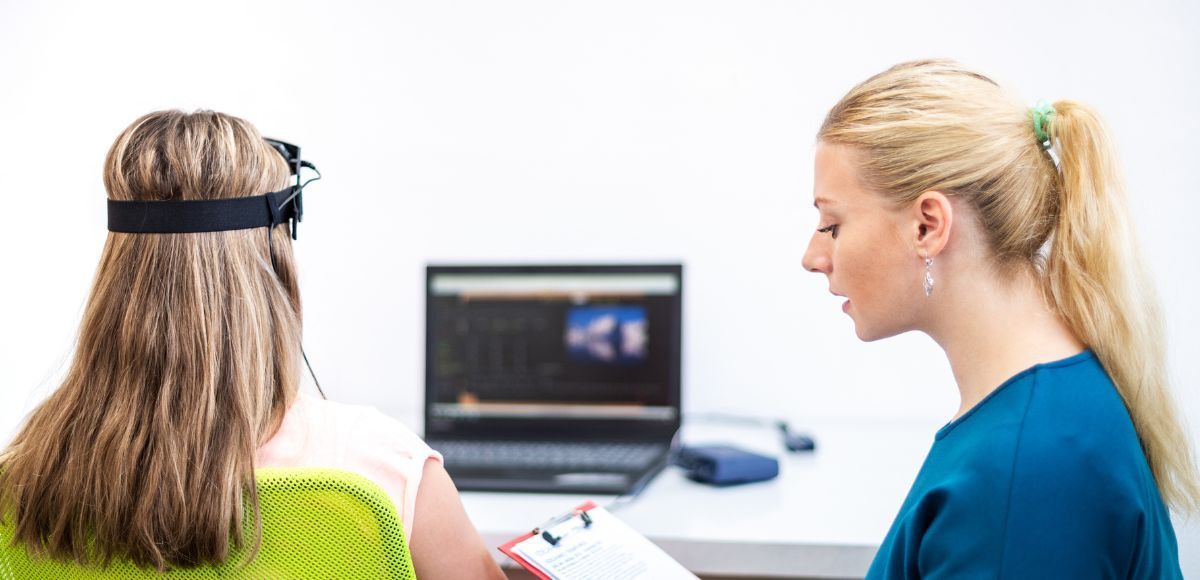
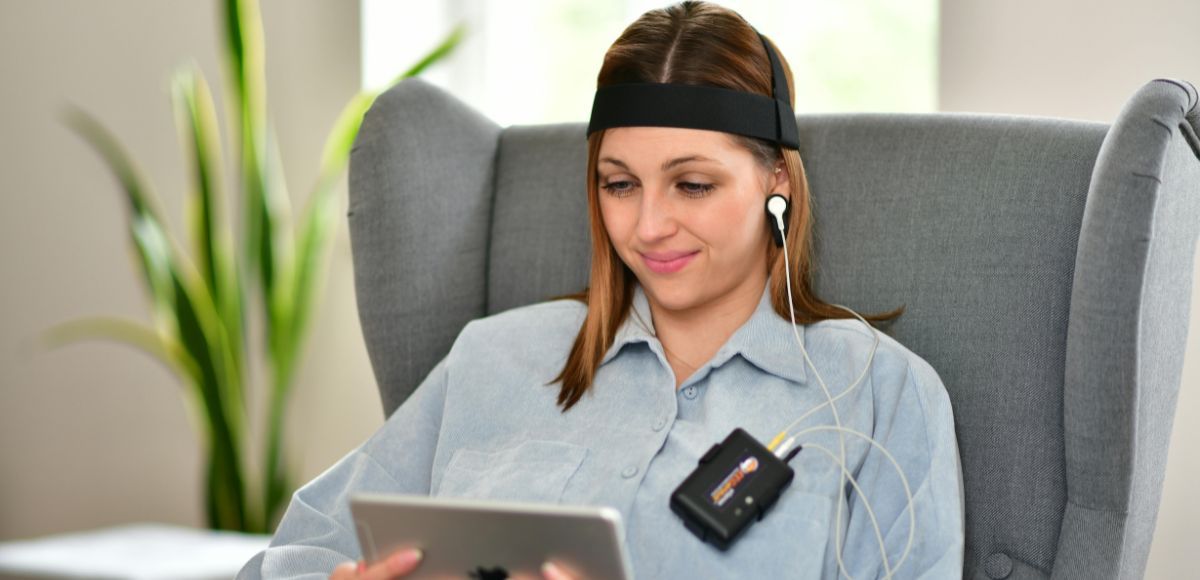
Neurofeedback for children is a non-invasive brain training method that uses real-time feedback to help kids build more stable attention and emotional control. The child then engages with a screen-based task or audio cue. When the brain produces more desirable activity patterns, the system responds with positive feedback, such as a movie playing clearly or a pleasant tone. When the brain drifts toward less helpful patterns, the feedback pauses or dims.
Over repeated sessions, the brain learns to produce more of the patterns associated with calm focus and stable emotion. No electricity enters the body. No medication is involved. The system simply gives the brain real-time information about its own activity so it can self-correct.
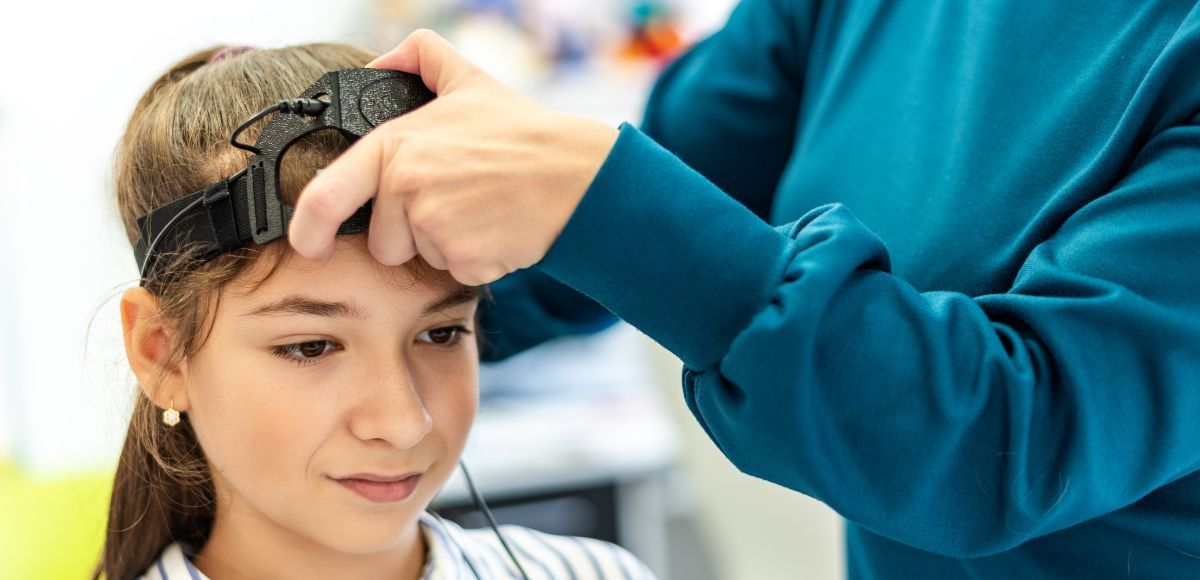
Pediatric neurofeedback sessions are designed to be calm and approachable. Children typically sit comfortably, and many find the experience more engaging than stressful. At Infinite Potential, every child's program is built around their specific brain profile, assessed through a qEEG brain mapping process before training begins.
Learn more about how this process works on our
neurofeedback services page.
Conditions Neurofeedback Addresses in Kids
Brain training for kids is not a single protocol applied the same way to every child. The conditions that respond most consistently to neurofeedback-based support include:
ADHD and Attention Difficulties
Children with ADHD often show elevated theta waves and reduced beta activity in the brain regions responsible for attention and impulse control. Neurofeedback training targets these specific imbalances directly.
A 2019 meta-analysis published in
European Child & Adolescent Psychiatry
found that neurofeedback produced meaningful improvements in attention and hyperactivity in children with ADHD, with effects that persisted and even increased at follow-up. For families pursuing child ADHD therapy without medication, neurofeedback is one of the more thoroughly studied non-pharmacological options available, and it fits within our
full range of specialty care areas.
Anxiety and Emotional Dysregulation
Children who struggle to manage worry, fear, or intense emotional reactions often show overactivation in specific brain regions. Emotional regulation therapy for children using neurofeedback, alongside the
evidence-based counseling approaches we offer, helps the brain practice shifting away from high-alert patterns and toward calmer baselines.
This does not flatten a child's emotional range. It builds their capacity to return to a balanced state more quickly after being triggered, which is often exactly what parents and teachers are hoping to see.
Autism Spectrum Challenges
Research on neurofeedback for autism spectrum disorder is still developing, but some children have shown improvements in sensory sensitivity, communication, and social engagement following consistent training, reflecting
our team's experience supporting a range of conditions. Results vary by child and protocol. A
review available through PubMed
examined neurofeedback applications for autism spectrum disorder and noted variable but promising outcomes across protocols.
Post-Concussion and Learning Difficulties
Children recovering from head injuries or those with processing-related learning challenges may also benefit from pediatric neurofeedback. The brain-mapping step before training ensures the protocol targets the specific regions that need support rather than applying a generic approach.
See how our team supports children across a range of challenges on the
child therapy page.
What a Neurofeedback Session Looks Like for a Child
A typical session at Infinite Potential runs between 30 and 45 minutes.
Here is what the process generally looks like:
- The child sits in a comfortable chair in a calm, low-stimulation space.
- Sensors are placed on the scalp using a water-based gel. Nothing is inserted into the skin.
- The child watches a screen or listens to audio feedback designed for the session protocol.
- The system reads brain wave activity and provides real-time feedback automatically throughout the session.
- The child does not need to consciously try to control anything. The brain responds to the feedback on its own.
Sessions are generally well-tolerated. Some children feel mildly tired in the first few weeks of training. This is normal and typically resolves as sessions continue.
Parents searching for focus therapy for kids in Austin or Round Rock often ask whether their child needs to stay completely still. Some natural movement is fine. Providers adjust positioning as needed, and the systems used are designed to filter out common movement artifacts.
How Long Does Neurofeedback Take to Work for Kids?
Neurofeedback is a training process. Like any form of training, consistency is what produces lasting results.
Most children complete between 20 and 40 sessions before significant changes become evident. For more complex presentations involving trauma, autism, or multiple co-occurring challenges, the process may extend to 60 or more sessions. This reflects the brain's need for gradual, sustained learning rather than rapid recalibration, and it is a normal part of the process.
Parents often notice early progress in sleep quality, morning emotional stability, or ease with transitions before improvements appear in school performance or formal testing. Those early shifts are meaningful signals.
Infinite Potential is transparent about session costs from the start and works with families to plan for each stage of the process.
The
same meta-analysis found that neurofeedback effects in children with ADHD remained durable for at least six months after neurofeedback training concluded, suggesting genuine learning rather than a short-term effect.
Read more about attention-specific outcomes in our related post on
how neurofeedback can help manage ADHD.
Helping Your Child Build a Brain That Works for Them
Medication is the right choice for some children, and nothing here is meant to suggest otherwise. But for parents who want to understand what else is available, neurofeedback for children offers a well-researched, non-invasive path toward lasting improvement in focus and emotional regulation.
Child neurofeedback in Round Rock, TX at Infinite Potential starts with a thorough brain assessment so that every session is built around your child's actual patterns, not a generic template. That specificity matters for both safety and results.
If your child is struggling and you are ready to explore an approach grounded in how your child's brain actually works, the Infinite Potential team can help you understand whether this is the right fit.
Ready to Take the Next Step?
Schedule a consultation with the Infinite Potential team to find out whether neurofeedback is a good fit for your child. Visit our
appointment scheduling page or call at 512-230-3740 to get started.
Frequently Asked Questions
1.Is neurofeedback safe for children?
Yes. Neurofeedback is non-invasive and does not use medication or electricity. Sensors simply read brain wave activity from the scalp. The approach has been used with children for decades and is considered safe when administered by trained practitioners following an individualized brain assessment.
2.How many neurofeedback sessions do kids need?
Most children benefit from between 20 and 40 sessions for standard presentations. More complex cases involving trauma, autism, or combined diagnoses may require up to 60 sessions. Your provider will provide a clearer estimate based on your child's qEEG results and goals.
3.What age can children start neurofeedback?
Children as young as five or six can participate in neurofeedback training, provided they can sit for short periods and engage with a screen or audio task. The protocol is adjusted to suit the child's age, attention span, and individual needs.
4.Can neurofeedback help a child with anxiety?
Anxiety in children often involves overactivation in specific brain regions. This form of brain training targets those patterns directly, helping the brain practice shifting into calmer states. Many families find neurofeedback to be a supportive option alongside other approaches. Results depend on the individual child and session consistency.
5.Does neurofeedback replace therapy or medication?
Neurofeedback is not designed to replace therapy, and it is not medication. At Infinite Potential, it is often used as a holistic, drug-free path that many families explore instead of or alongside medication, depending on their goals. This training addresses the underlying brain patterns, which many parents see as a more sustainable option than medication alone.
6.Is pediatric brain training available near Round Rock or Austin?
Yes. Infinite Potential is located in Round Rock, TX and serves families from Austin, Cedar Park, Georgetown, Pflugerville, and surrounding Central Texas communities.
Key Takeaways
- Neurofeedback for children is a non-invasive, drug-free approach that trains brain wave patterns to support focus, emotional regulation, and behavior without medication.
- Sensors placed on the scalp read brain activity only. No electricity enters the body, and children do not need to consciously control anything during a session.
- Commonly supported conditions include ADHD, anxiety, autism spectrum challenges, and post-concussion difficulties, with sessions typically lasting 30 to 45 minutes.
- Most children complete between 20 and 40 sessions. Complex cases may require 60 or more. Neurofeedback is not covered by insurance, and Infinite Potential is transparent about costs from the first conversation.
- Every program begins with a qEEG brain map so protocols are tailored to the individual child. Early progress often appears first in sleep quality and emotional stability before academic improvements follow.