How Long Does Neurofeedback Take to Work?
Most people begin noticing changes from neurofeedback between sessions 5 and 15, with meaningful, lasting results building across 20 to 40 sessions. Your individual timeline depends on your condition, your brain's baseline, and how consistently you attend. This post walks you through what to realistically expect at each phase of the process.
Why Neurofeedback Results Take Time
Neurofeedback works by training the brain to shift its own activity patterns. That kind of change is not instant. It is gradual, cumulative, and deeply tied to a concept called neuroplasticity, which is the brain's ability to reorganize and form new connections over time.
Think of it like physical therapy for the brain. You would not expect one gym session to rebuild muscle after an injury. Each session builds on the last, gently guiding the brain toward more regulated, efficient patterns.
Understanding this timeline from the start helps clients stay the course and recognize the small wins that are often early signs of real neurofeedback progress.
Early Sessions: What to Expect in the First 5 to 10 Sessions
Calibration and Baseline Mapping
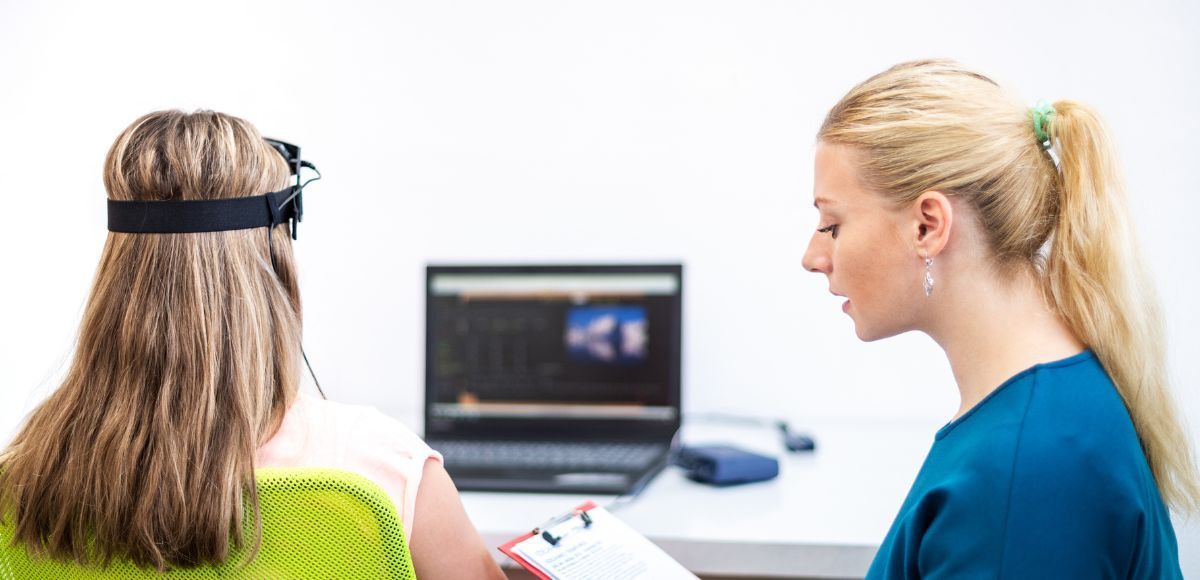
The first one to three sessions of any neurofeedback program are typically assessment sessions. Your provider will conduct a qEEG brain mapping evaluation to establish a clear picture of your brain's current activity. If you want to know exactly what happens in that first appointment, our what happens during a neurofeedback session post walks through the process step by step.. This baseline is what guides the entire training protocol.
Skipping this step is like trying to give someone directions without knowing where they are starting from. The qEEG data ensures the neurofeedback program length and training targets are matched specifically to your brain.
The First Noticeable Shifts
Around sessions 3 to 5, many clients report their first subtle changes. These are not dramatic shifts. Common early observations include sleeping more soundly, feeling slightly calmer during moments of stress, or noticing a small improvement in focus.
Some people feel nothing at all in the early sessions, and that is completely normal. Every brain responds at its own pace. The absence of immediate brain training results in the first few sessions does not mean the training is not working.
Mid-Course Changes: Sessions 10 to 25
Where Most Clients See Real Progress
Sessions 10 through 25 are typically where neurofeedback progress becomes more consistent and noticeable. Clients often describe this phase as a turning point. Anxiety that felt constant begins to ease. Focus that felt impossible starts to feel more accessible. Sleep quality tends to stabilize.
For children receiving neurofeedback for attention challenges , this is the range where parents and teachers may start observing behavioral differences. A multicenter randomized controlled trial published in
European Child and Adolescent Psychiatry found that children who completed a neurofeedback program showed large and stable improvements in ADHD symptoms at six-month follow-up, with gains holding well beyond the end of the program.
A multicenter randomized controlled trial published in [European Child and Adolescent Psychiatry] found that children who completed a neurofeedback program showed large and stable improvements in ADHD symptoms at six-month follow-up, with gains holding well beyond the end of the program.
This phase is also where it becomes clearer how many neurofeedback sessions a person will ultimately need. Your provider can reassess your progress and adjust the protocol if needed.
What Mid-Course Monitoring Looks Like
At Infinite Potential, periodic check-ins during this phase evaluate how the brain's patterns are shifting.These reassessments help fine-tune the training and confirm that the protocol remains aligned with your goals.
If you are working through something like ADHD or a trauma-related condition, your neurofeedback program length is likely to fall in the longer range. See how
neurofeedback specifically supports ADHD.
When Are Results Considered Complete?
Most clients reach their primary goals between sessions 20 and 40.This is the standard timeframe for conditions such as anxiety, stress, sleep disturbance, and mild attention difficulties.
For more complex presentations, including ADHD, trauma, post-concussion recovery, or significant mood dysregulation, providers may recommend up to 60 sessions. These are not cases where the process is failing. They are cases where the brain needs more time and more repetitions to consolidate lasting change.
Once a client completes their recommended sessions, many find the results hold long-term. A quantitative review published in
Applied Psychophysiology and Biofeedback that standard neurofeedback protocols produced sustained effects at six to twelve months follow-up, with remission rates of 32 to 47 percent when a full course was completed.
Factors That Influence How Quickly You Respond
Condition Complexity
Simpler presentations, such as situational stress or mild sleep disruption, tend to respond faster. More complex or chronic conditions involving multiple systems in the brain typically require a longer neurofeedback program.
Consistency of Attendance
Frequency matters. Clients who attend sessions consistently, ideally once or twice per week, tend to progress faster than those with irregular attendance. The brain builds on each prior session. Gaps between sessions can slow momentum. Research consistently supports that regularity of sessions directly influences outcomes, with clients who attend consistently more likely to achieve medium to large effect sizes across a full course of training.
Age and Brain Plasticity
Younger brains are generally more plastic and tend to respond more quickly. That said, adults at any age can achieve excellent brain training results. The process may simply take a few more sessions to consolidate in an older brain.
Starting Brainwave Patterns
Each brain is different. A qEEG evaluation reveals the specific patterns driving your symptoms, and some patterns are more responsive than others. This is one reason why starting with a brain map, rather than a one-size-fits-all protocol, leads to better outcomes.
Overall Health and Lifestyle
Sleep, nutrition, physical activity, and stress levels all influence how the brain responds to training. Clients who support their sessions with basic lifestyle factors tend to see stronger and faster neurofeedback progress. Our team at Infinite Potential often incorporates integrative guidance alongside the neurofeedback protocol for this reason.
What Neurofeedback Results Actually Look Like in Real Life
Brain training results are not always dramatic. Many clients describe them as a gradual settling. Anxiety becomes less reactive. Concentration improves without force. Sleep comes more easily. Mood swings become less intense. For those managing anxiety specifically, the
neurofeedback for anxiety and stress post covers what that progress typically looks like.
For clients dealing with trauma, the changes can feel more significant. If you are curious about how neurofeedback helps the brain process and recover from trauma, our blog post on how neurofeedback heals the brain's hidden wounds goes deeper on that topic.
The best way to evaluate how effective neurofeedback is for your specific situation is to complete a full recommended course and assess progress at defined check-in points, not just after one or two sessions. Understanding the
neuroplasticity science behind why this works can also help set realistic expectations from the start.
Ready to understand your own neurofeedback timeline?
At Infinite Potential in Round Rock, TX, every neurofeedback program begins with a qEEG brain map through the Neuroshift program, so your session count and training targets are matched to your specific brain from the start. Neurofeedback is offered on a self-pay basis and is not covered by insurance.
Schedule a consultation today or call 512-230-3740.
Frequently Asked Questions
1. How many neurofeedback sessions are needed?
Most clients require between 20 and 40 sessions to achieve their primary goals. For complex conditions such as ADHD, trauma, or post-concussion symptoms, up to 60 sessions may be recommended. Your provider will give you a clearer estimate after reviewing your qEEG results.
2. When will I notice results from neurofeedback?
Many clients notice their first subtle changes between sessions 3 and 10. These early shifts are often in sleep quality, stress response, or mental clarity. Consistent, lasting improvements typically become more apparent between sessions 10 and 25.
3. How long does neurofeedback take to work on average?
For most people, meaningful and consistent results build between sessions 10 and 25, with primary goals typically reached between sessions 20 and 40. Complex cases involving ADHD, trauma, or post-concussion presentations may require up to 60 sessions. Early shifts in sleep or stress response are often the first signs that training is working.
4. How long do neurofeedback results last?
Results from a completed neurofeedback course tend to be long-lasting. The brain learns to maintain its new patterns independently over time. Some clients return for booster sessions during periods of high stress, but most do not require additional sessions after completing their program.
5. How long does neurofeedback take to work for ADHD?
ADHD is one of the more complex presentations and typically falls on the longer end of the neurofeedback session timeline, often between 30 and 60 sessions.Results in areas like focus, impulse control, and emotional regulation tend to build gradually across the full course of the program.
6. What is the success rate of neurofeedback?
Neurofeedback success rate varies by condition and individual, but published clinical research consistently reports meaningful improvements for the populations most commonly treated, including ADHD, anxiety, and trauma. At Infinite Potential, we track progress at regular intervals so you always have a clear picture of where you stand.
Key Takeaways
- Most clients begin noticing early changes between sessions 3 and 10 of their neurofeedback session timeline.
- Most people complete 20 to 40 sessions for standard presentations, with up to 60 sessions for complex cases such as ADHD, trauma, or post-concussion recovery.
- Consistent attendance, starting with a qEEG brain map, and supporting lifestyle factors all influence how quickly you see brain training results.
- Wondering how long neurofeedback takes to work for your specific situation? A personalized consultation and brain map at Infinite Potential in Round Rock, TX gives you the clearest answer.
- Neurofeedback progress is cumulative. The results build over time and tend to hold well after a full course is completed.